
During her two-year Equal Justice Works Fellowship at IIBA, Jocelyn served more than 300 immigrants and family members and built a stronger Bay Area network of support for survivors of trafficking and other serious crimes.
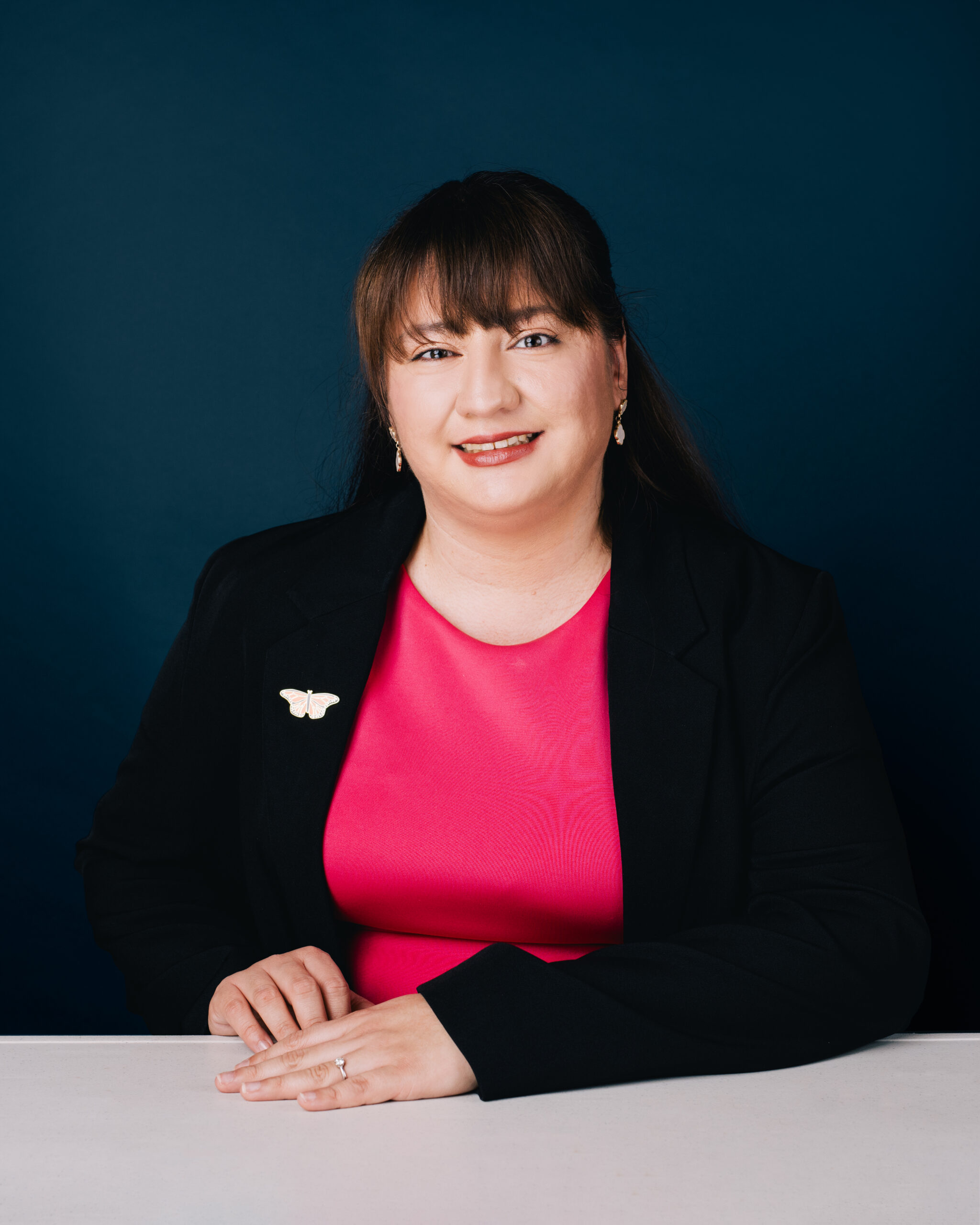
As the daughter of immigrant farmworkers, Jocelyn Gomez-Bal understood how immigrant workers can be vulnerable to exploitation and abuse—and how immigration status can deepen a survivor’s fear of reporting a crime or asking for help. That understanding became the foundation for her Equal Justice Works Fellowship at the Immigration Institute of the Bay Area.
As her two-year fellowship comes to a close this week, Jocelyn has helped hundreds of immigrants and their families move forward with greater safety, knowledge, and support.
Understanding the Barriers Survivors Face
For survivors of trafficking and other serious crimes, the immigration process does not happen in isolation. Trauma can make it difficult to recount painful experiences, gather evidence, meet deadlines, and trust unfamiliar institutions. Survivors may also be navigating urgent needs involving housing, employment, family safety, or a criminal investigation.
“Many of our clients have experienced trauma which directly impacts their ability to navigate the legal system and immigration process,” said Jocelyn. “I’ve learned to be mindful of this when working with survivors. This is an essential part of helping them see the light at the end of the tunnel of what can be a daunting process for anyone.”
Designing a Collaborative Response
Equal Justice Works Fellows develop two-year public-interest projects with nonprofit host organizations to address unmet legal needs. Hosted by IIBA, Jocelyn designed a project combining trauma-informed representation, community education, and coalition building across IIBA’s seven Bay Area offices.
During the fellowship, Jocelyn served more than 300 immigrants and family members through consultations and direct representation. She also gave nearly a dozen presentations on survivor-based immigration relief and Know Your Rights information, reaching about 350 immigrant survivors, low-wage workers, community members, and partner staff.
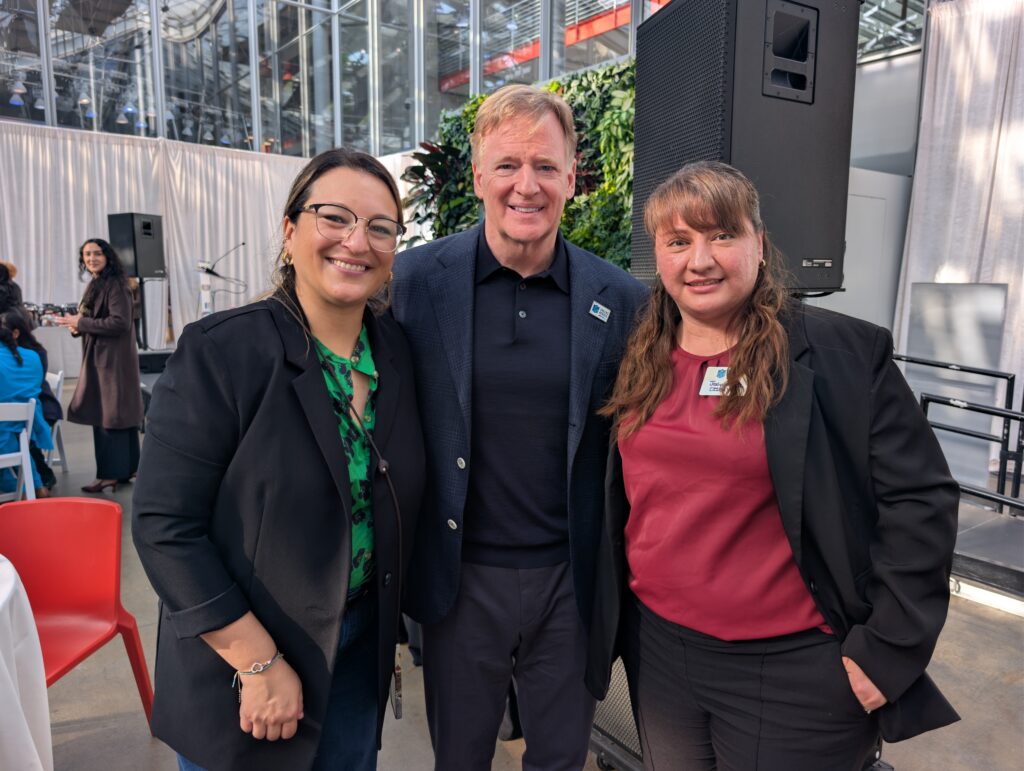
Jocelyn strengthened referral networks with the International Rescue Committee, Alameda County Family Justice Center, DHS Homeland Security Investigations, and Alameda County District Attorney’s Office. These relationships helped crime victim advocates identify immigrant survivors who might qualify for relief and connect them to trusted legal assistance.
“Survivors often have basic needs that need to be met in order to get them to a place where they can even start to think about the immigration system,” said Jocelyn. “Through these partnerships, we were able to provide holistic assistance to our clients, ensuring their goals and needs were at the center of our representation.”
By working with social workers, crime victim advocates, employment attorneys, and law enforcement agencies, Jocelyn helped clients receive more complete support. In several cases, collaboration with victim advocates helped clients obtain deferred action and temporary protection from removal. She also helped organize consultation clinics with local partners, including some responding to possible labor trafficking in San Joaquin and Monterey Counties.
A Path Forward for “Rodrigo”
One of Jocelyn’s first child clients (identified here by the alias “Rodrigo”) showed why partnerships matter. Homeland Security Investigations (HSI) had identified Rodrigo as a victim of sex trafficking. After learning that Rodrigo and his parents did not have lawful immigration status, an HSI crime victim advocate connected the family to Jocelyn through the new referral network.
Rodrigo’s family wanted to help investigators and seek justice but feared their immigration status could lead to deportation. His parents had sought asylum after facing political persecution in their home country, and the family was in removal proceedings.
Jocelyn identified potential T- and U-visa relief connected to Rodrigo’s victimization. At the same time, she worked with HSI victim advocates to secure deferred action for the family and sought to end their removal proceedings.
The proceedings were successfully terminated. Rodrigo and his family can now pursue humanitarian immigration relief without the immediate threat of removal. If approved, that relief could provide a pathway to permanent residence and, eventually, U.S. citizenship.
The Fellowship’s Lasting Impact
The fellowship also helped Jocelyn grow as an attorney.
“I owe the launch of my legal career to IIBA because of how much this organization has supported my work,” said Jocelyn, adding that she is especially grateful for the mentorship and training she received from supervising attorneys Sara Fain and Catherine Seitz. “Their guidance helped me take on complex cases and develop a more holistic approach to serving survivors. This fellowship has helped me become a much better attorney.”
Although the fellowship is ending, Jocelyn’s work at IIBA continues. She will remain with the organization as a staff attorney, continuing to provide free and low-cost immigration legal services and build on the clinics, partnerships, and referral networks developed through her project.
“Jocelyn’s tenacious and fearless advocacy helped elevate IIBA’s work for survivors and their families,” said IIBA South Bay Regional Directing Attorney Sara Fain. “In just two years, she has already left an indelible mark on clients and colleagues alike. We’re thrilled she’s chosen to stay with IIBA after her fellowship as a staff attorney.”
IIBA is grateful to Jocelyn for the care, skill, and collaborative spirit she brought to this work. We also thank Equal Justice Works and fellowship co-sponsors The Clorox Company Foundation and Morgan Lewis & Bockius LLP for investing in a project that has opened doors for immigrant survivors—and will continue creating pathways to safety, justice, and stability throughout the Bay Area.