
IIBA History
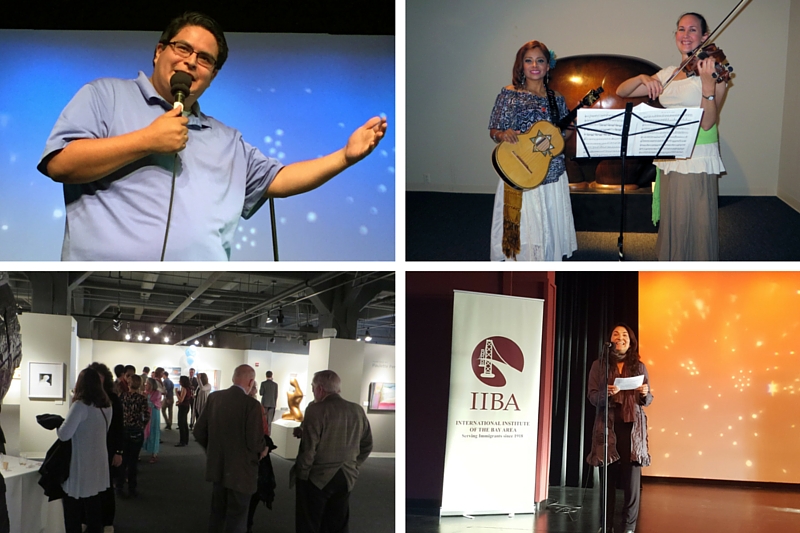
In response to anti-immigrant rhetoric, IIBA organizes the first ever Comedy Night for Immigrant Rights. The 2016 event was headlined by comedian Marga Gomez, and helped raise funds for Bay Area immigrants their families.
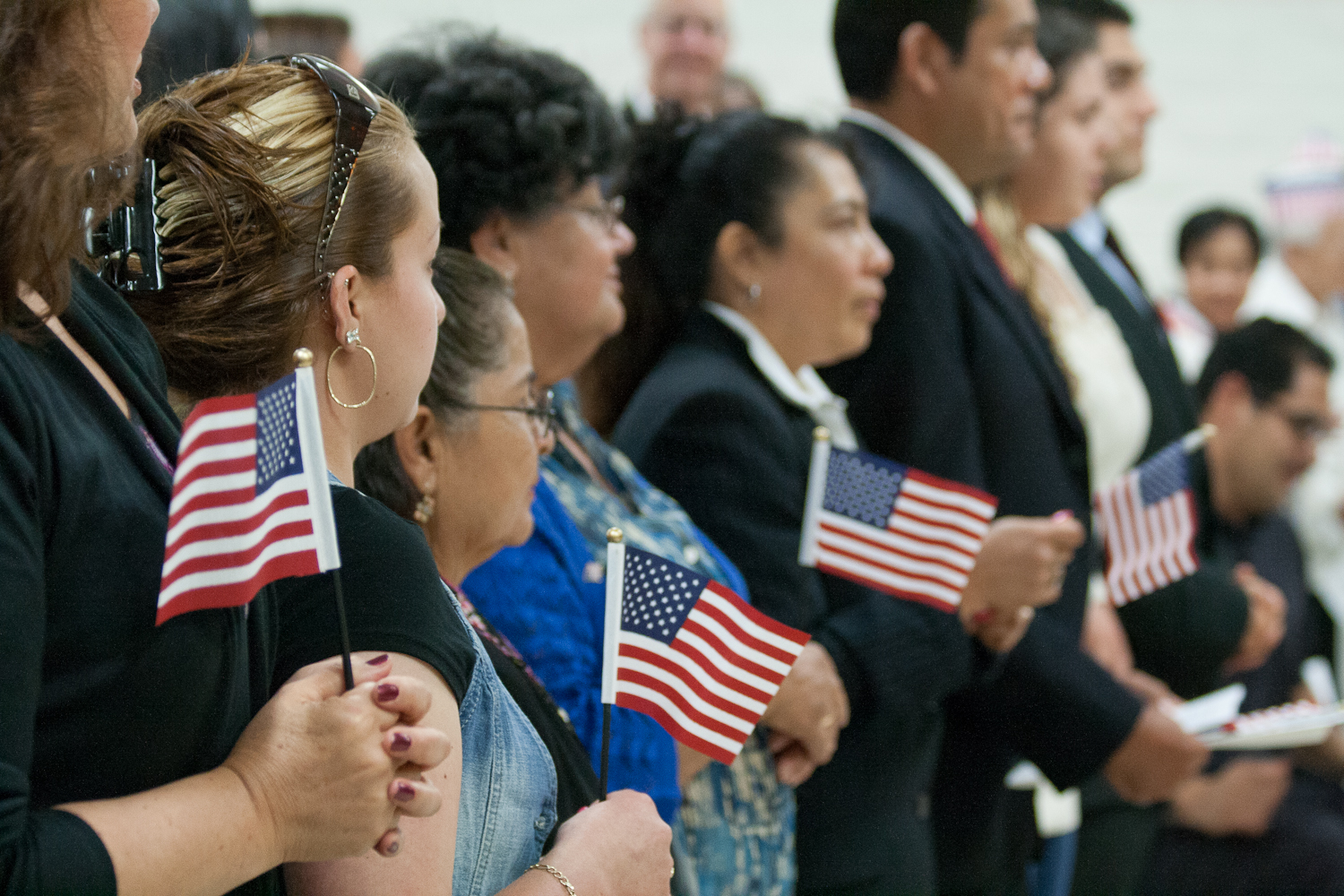
IIBA receives a $250,000 two-year grant from the United States Citizenship and Immigration Services (USCIS) to promote immigrant civic integration and prepare permanent residents for citizenship.
IIBA partners with the San Francisco Public Defender’s office, sponsoring an Immigration Defense Fund to provide support to people facing deportation.
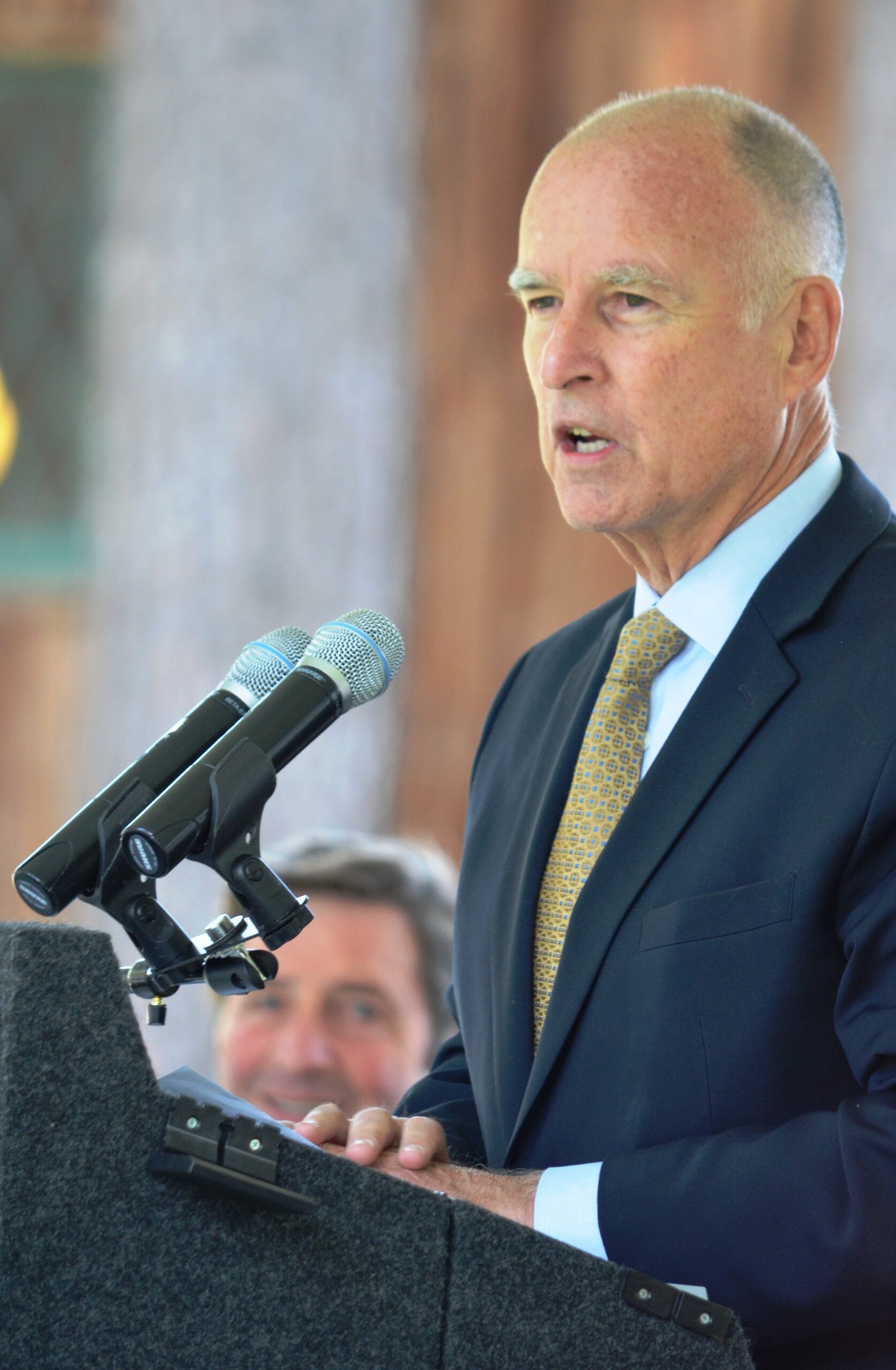
Gov. Jerry Brown and legislative leaders announced a plan to set aside $30 million to help immigrants affected by President Trump’s decision to rescind DACA.
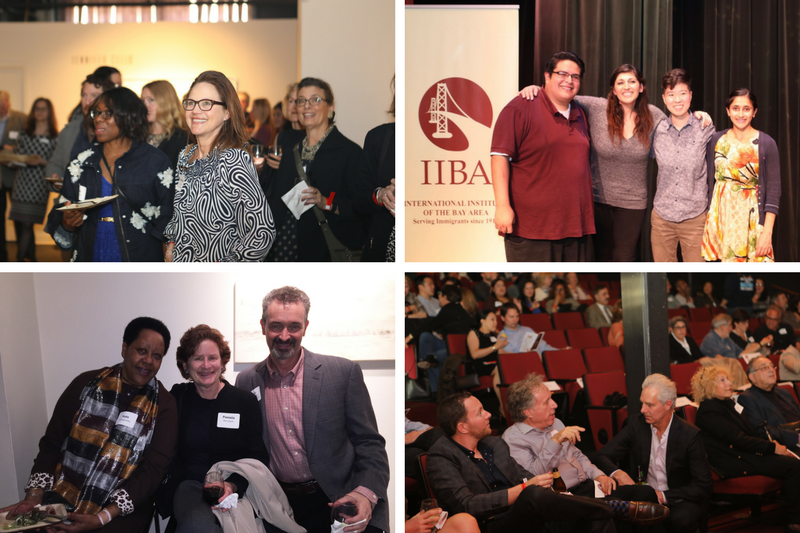
Following the success of the previous year’s benefit, 2017’s Comedy Night for Immigrant Rights event was sold out and featured Aparna Nancherla, Irene Tu, Zahra Noorbakhsh, and Johan Miranda.
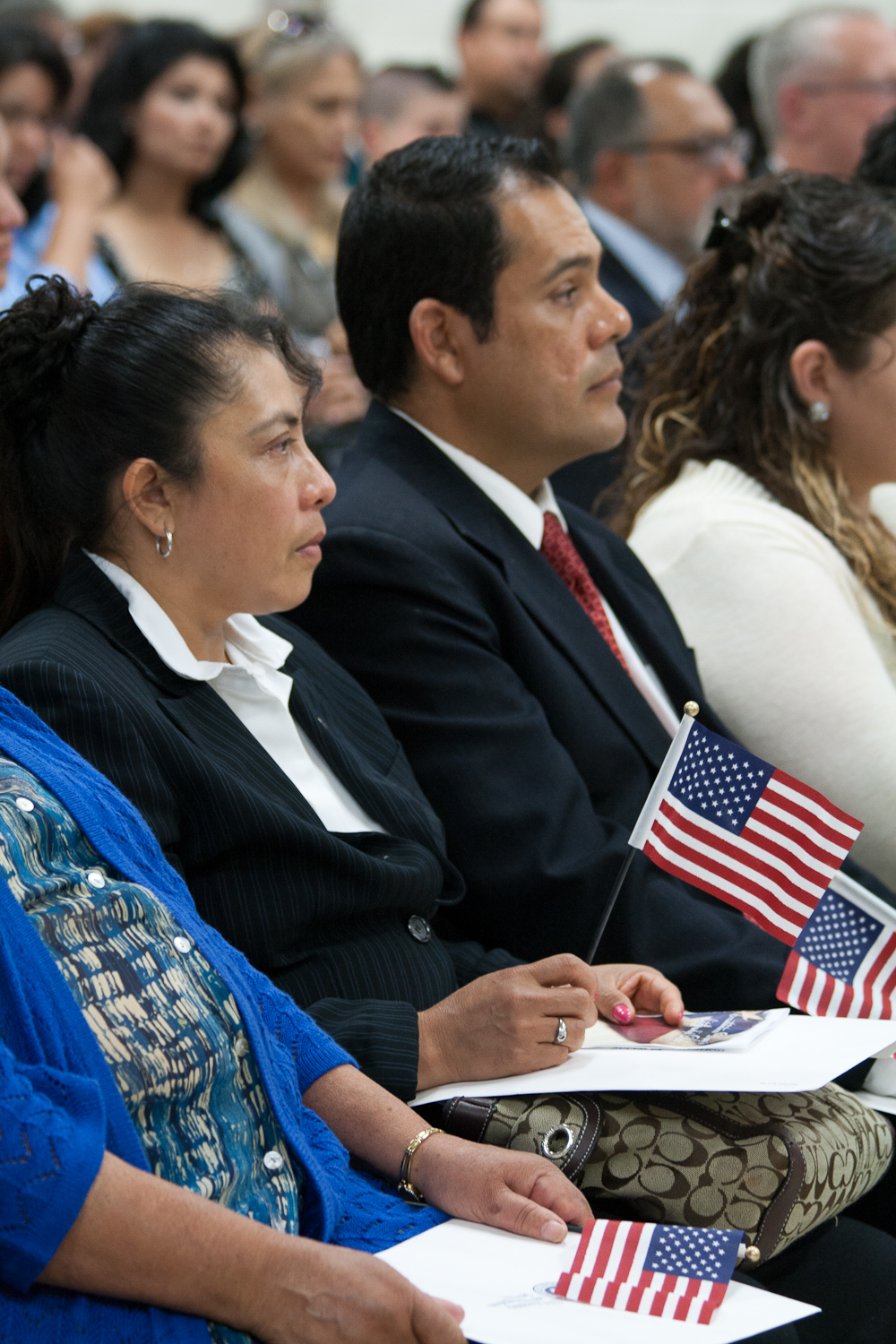
With the need for IIBA’s services growing, the Institute opened its second Redwood City office.
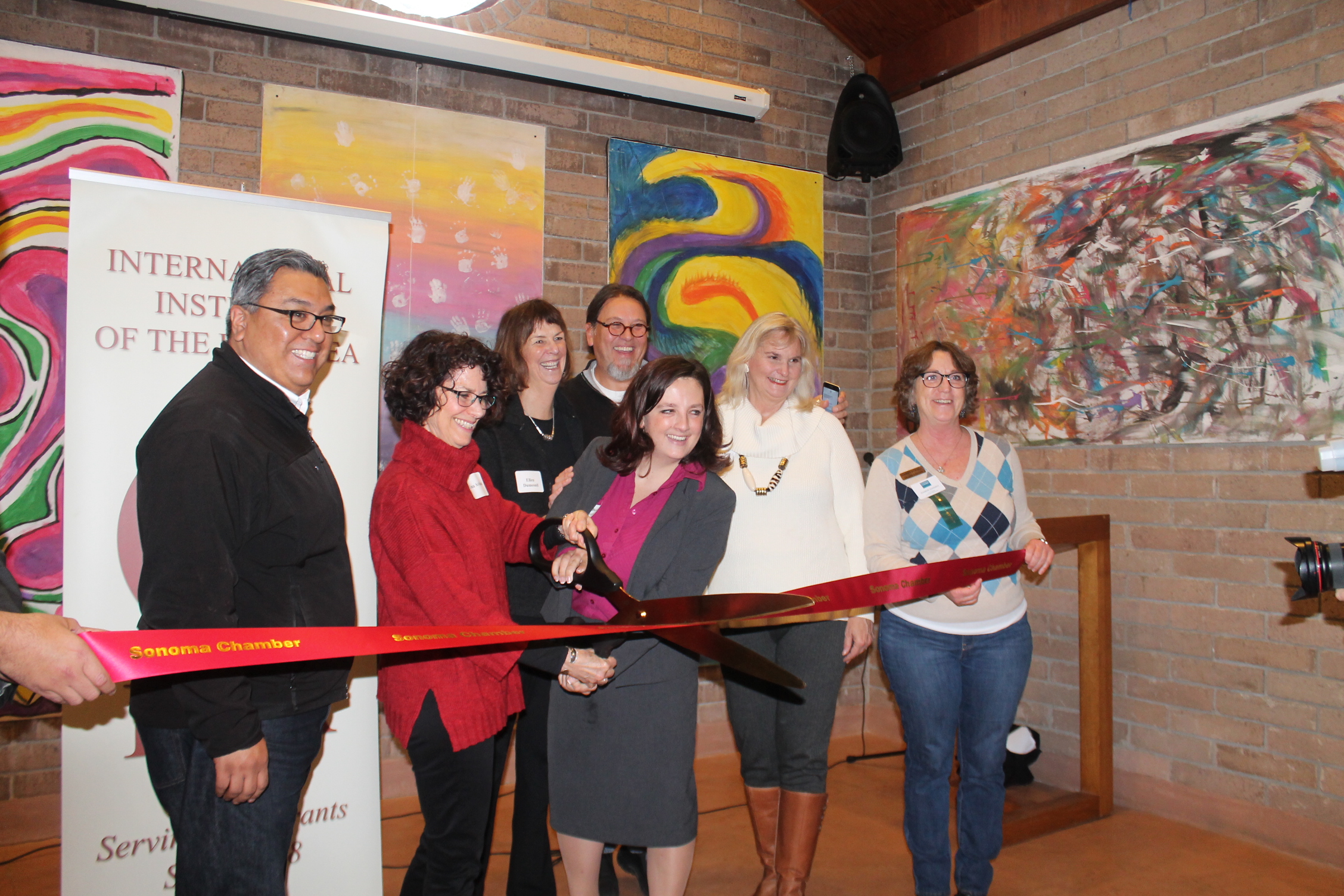
IIBA opens its seventh office to assist Sonoma residents with legal immigration issues. The office opened on January 20, 2017, representing hope during a time of uncertainty.
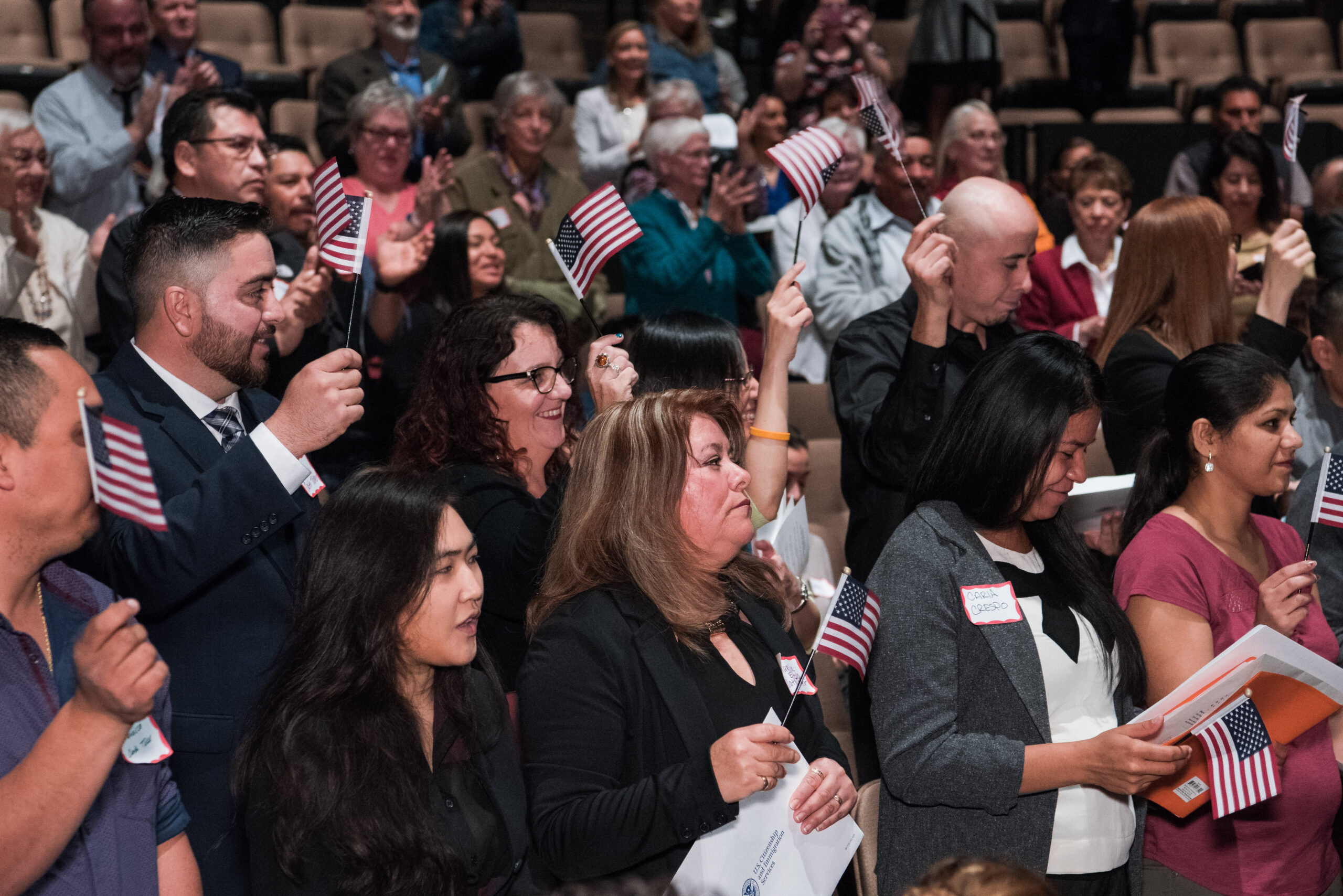
In celebration of Cesar Chavez Day, IIBA partners with USCIS to host the first ever Naturalization Oath Ceremony in Napa.

IIBA receives a $778,460 eighteen month grant from the California Department of Social Services (CDSS)
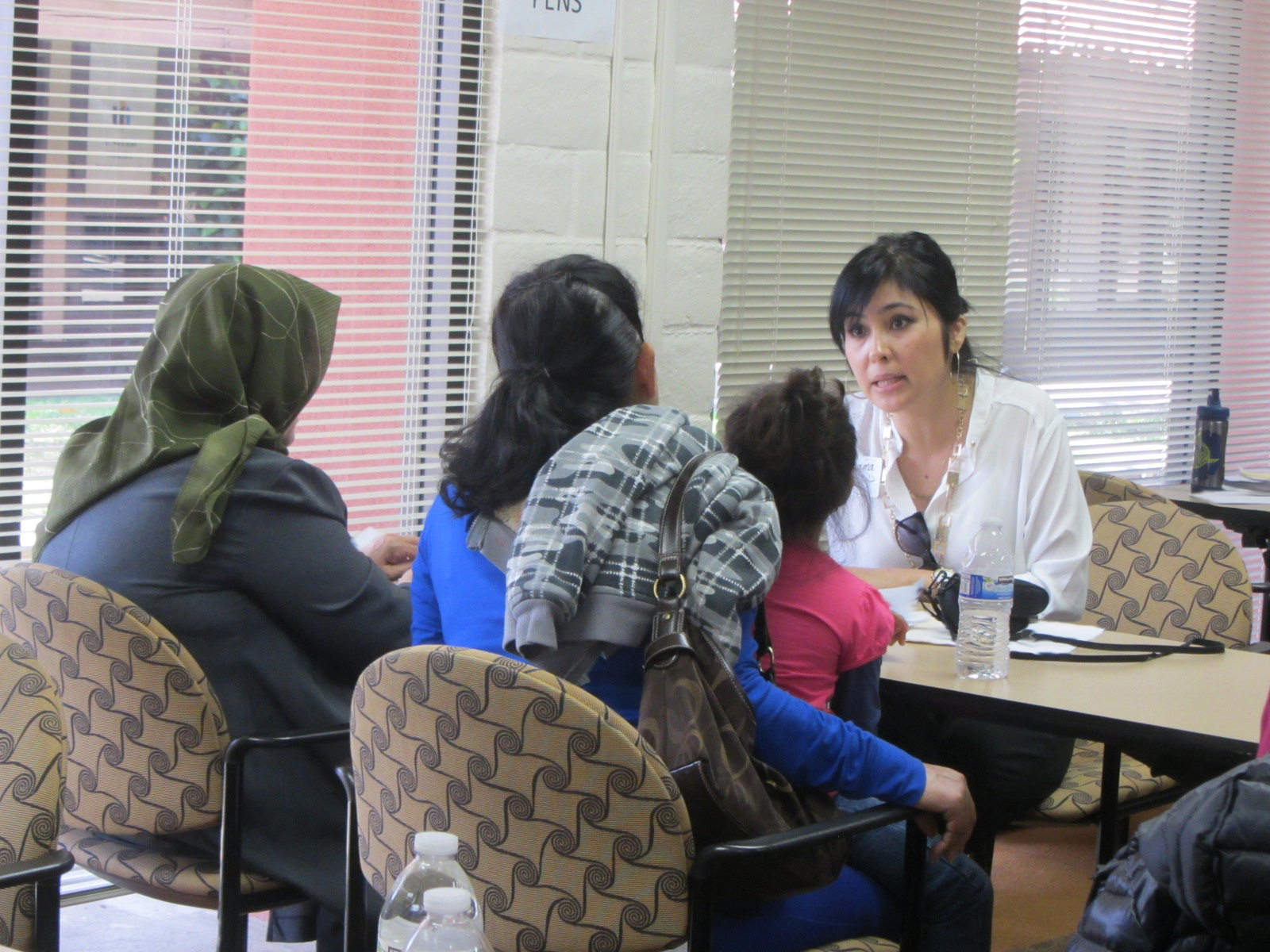
IIBA expands its legal immigration services to Dari, Hindi, Urdu, and Spanish speaking immigrants living and working in Alameda County.

The Napa Valley Community Foundation invited IIBA to open a new office to bring much-needed legal services to residents of Napa.
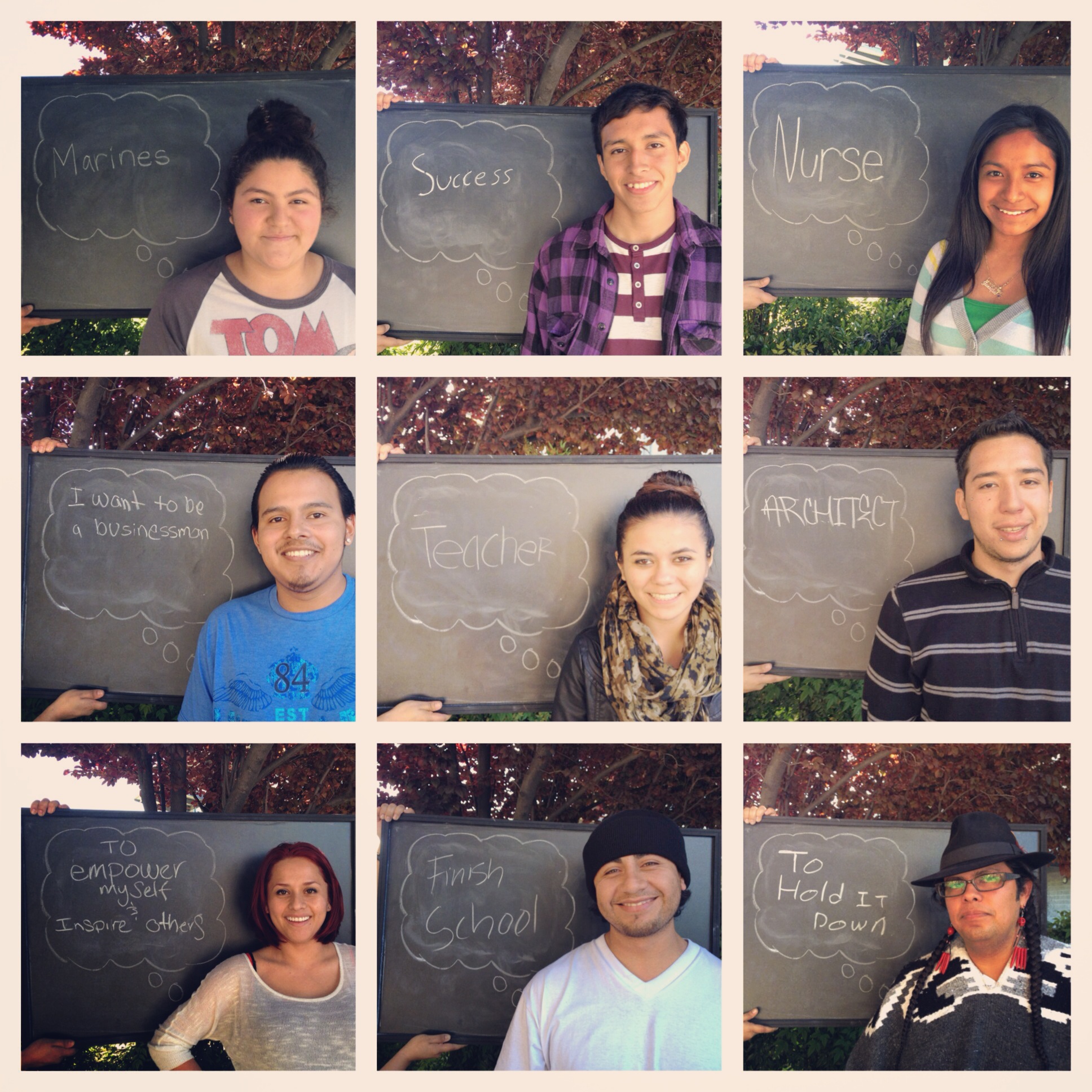
DACA is introduced, allowing youth brought to the United States as children to obtain work authorization and protection from deportation for two years.
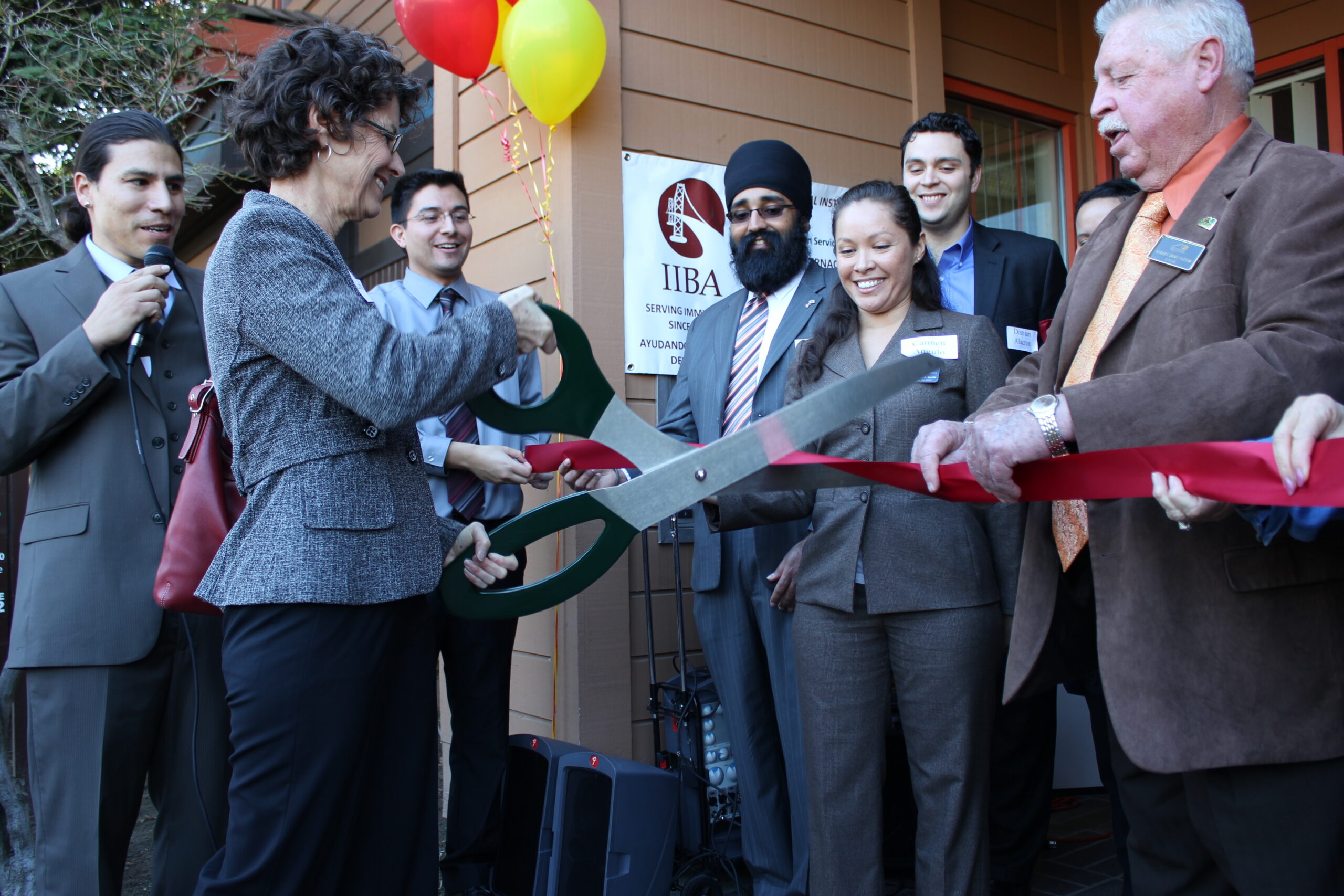
As one of her last triumphs with the International Institute former Executive Director, Margi Dunlap, helped set in motion the launch of IIBA’s fourth office. The expansion to Antioch provided much needed services to the immigrant community in east Contra Costa County.
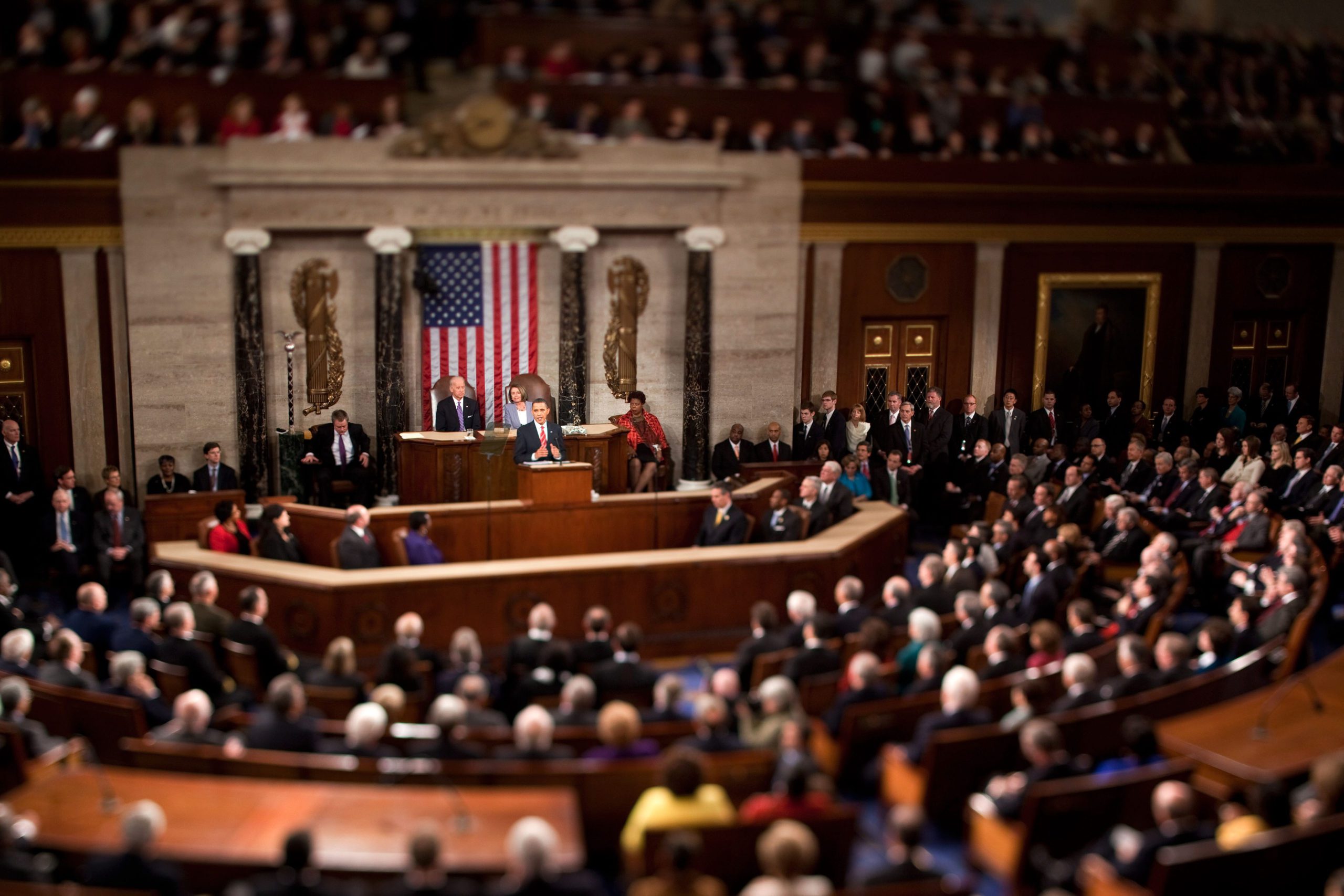
The first decade of the millennium ended on a note of promise. A bill, the DREAM Act, working its way through congress, proposed to offer in-state tuition to immigrant children, helping many realize their educational dreams. The Act would also grant conditional permanent resident status to immigrant youth meeting certain residency requirements. The Institute stood in support of the bill, knowing how many young people would flourish given these opportunities.
International Institute of San Francisco joins with International Institute of the East Bay to form International Institute of the Bay Area.
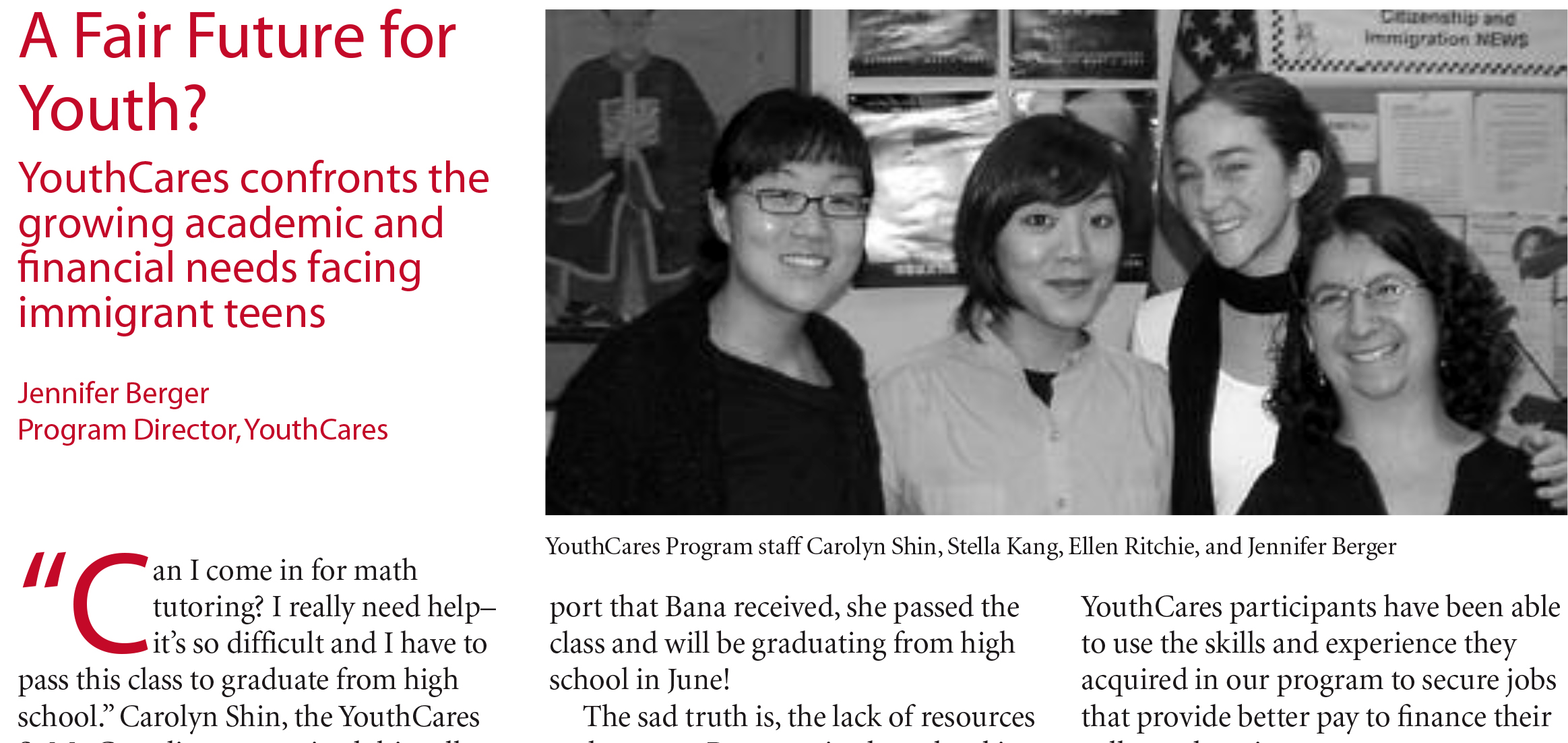
The Institute continued expanding existing programs throughout its ninth decade. The Safety Network, which kept the Institute connected to the South of Market neighborhood, offered workshops examining the impact of violence on children and launched an innovative restorative justice center, South of Market and Tenderloin Community Court. YouthCares launched Partners in Learning, offering youth-led tutoring and college workshops, while maintaining the program’s original services connecting youth and elders in the community through translations services, personal assistance, and social events and activities.
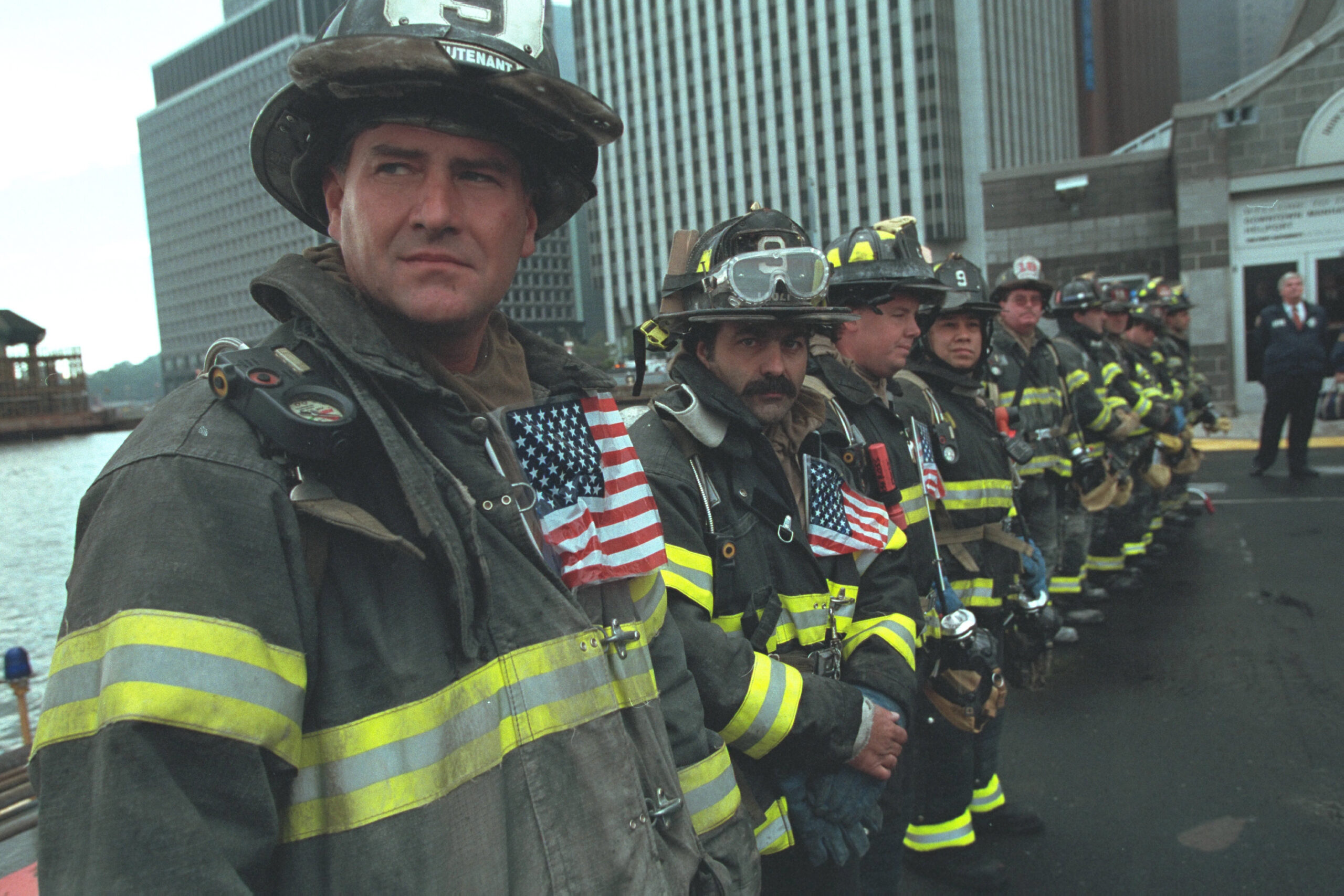
The attacks on September 11, 2001 sent shockwaves across the country, destabilizing our nation’s sense of security. Government policies that grew up out of the aftermath severely limited the freedoms of many people living in and visiting the U.S., especially immigrants and refugees. Between September 11, 2001 and January 1, 2003, over 30 new laws, policy changes, and court rulings affecting immigration came into play. Scared, worried, and confused by these changes, thousands of people reached out to International Institute for assistance, sharing countless reports of the new policies’ negative impact on travelers, newcomers, and long-time U.S. residents alike. In addition to addressing their concerns, the Institute began forming new collaborations with organizations like the Arab Cultural Center to offer legal assistance and to promote cultural understanding.
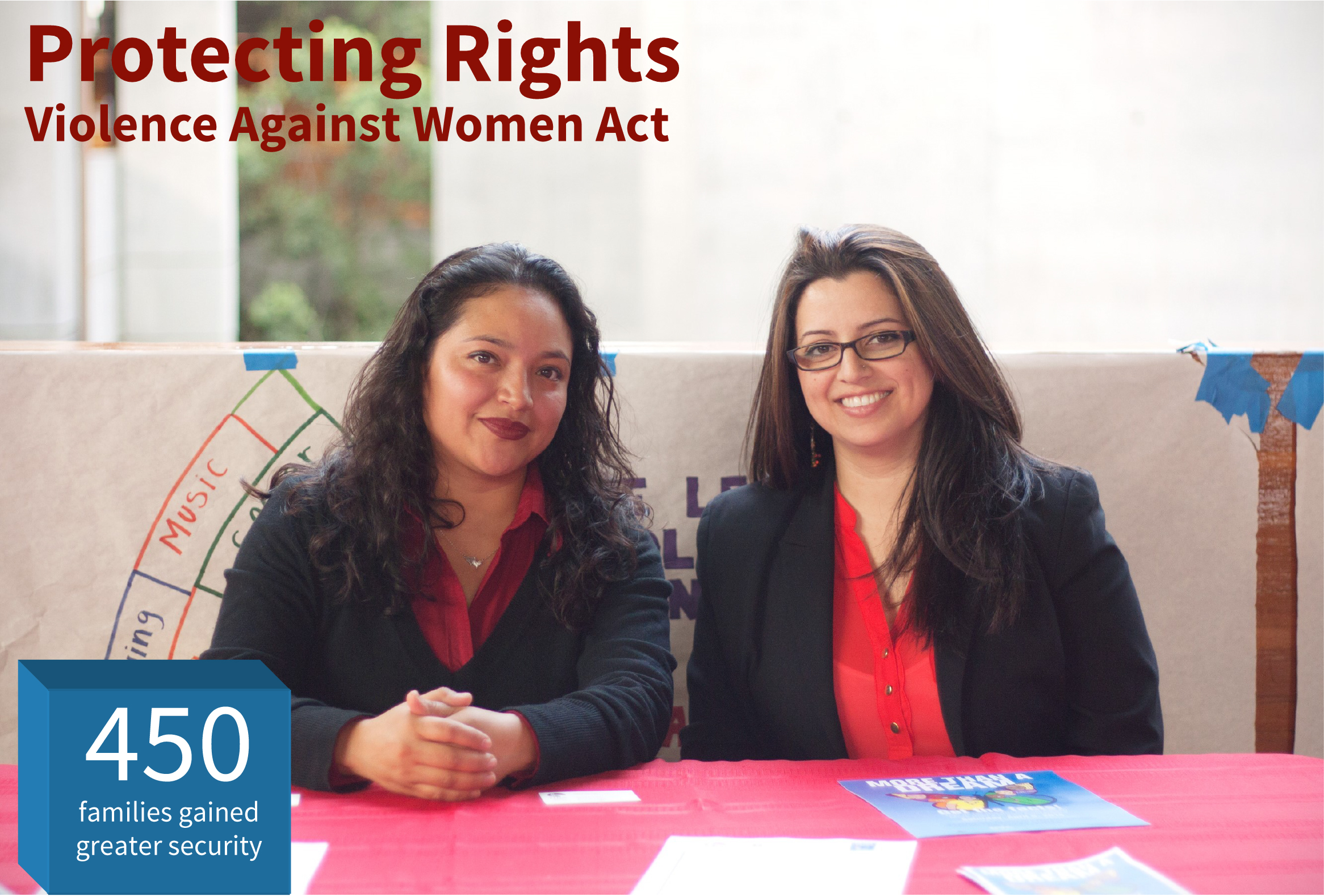
Amongst the restrictions created by post-September 11 immigration policies, the Institute’s ninth decade saw a new avenue open for legal status adjustment. Provisions in the Violence Against Women Act (VAWA) allowed immigrant women who were victims of domestic violence the opportunity to apply for a U Visa, thereby obtaining a work permit and green card. The Redwood City office increased their capacity to serve immigrant survivors of domestic violence, helping many women become self-sufficient, productive members of their communities.
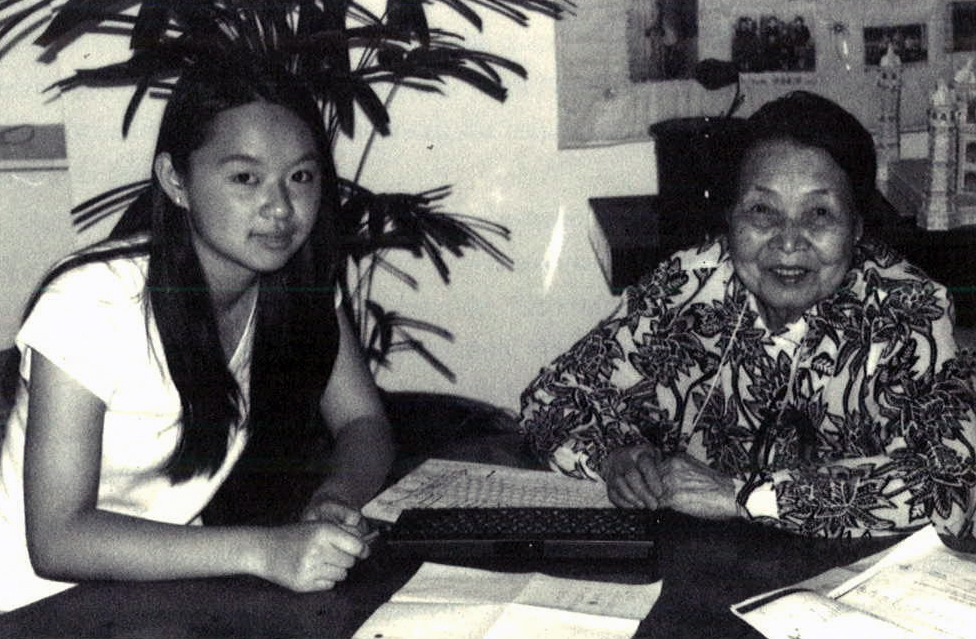
While prohibitive immigration and welfare laws passed by 104th Congress told immigrants, “you are not welcome here,” the International Institute and collaborators worked double-time to offer members of the immigrant community the respect, hospitality, and assistance they deserved. In the midst of all this change, International Institute’s San Francisco office moved to 657 Mission Street. Settling into a new neighborhood inspired fresh collaborations and innovative programs, like YouthCares, which hired and trained young people to assist the elderly living in the South of Market community.
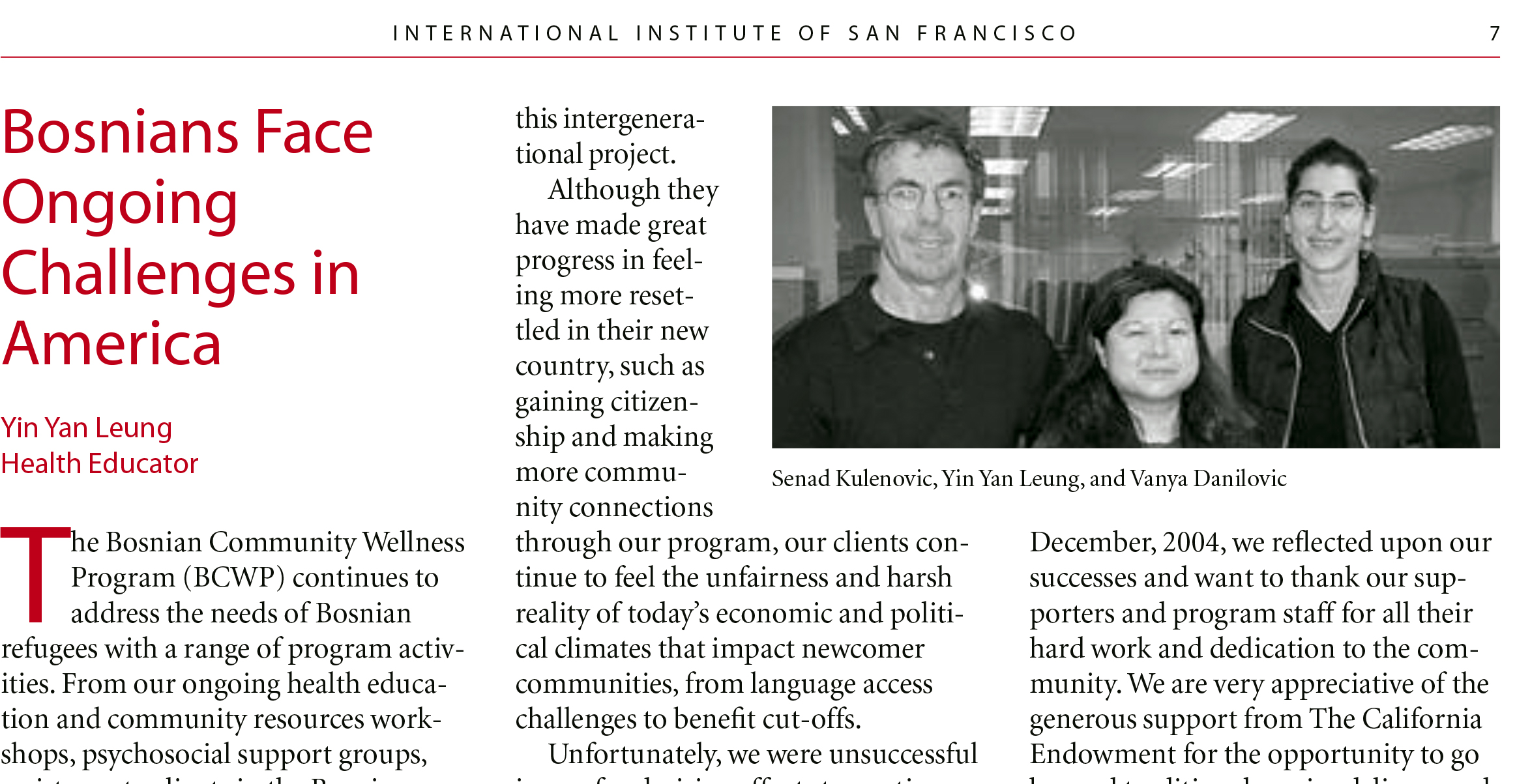
In response to special needs within the Bosnian refugee community, the Institute, with funding from the San Francisco Foundation, began to provide health information, develop social support networks, and increase the capacity of Bosnian community members to advocate for themselves. At the Bosnian Community Resource Room, housed at the Institute’s San Francisco office, clients received assistance with health and social welfare benefits forms and referrals and help with immigration and naturalization questions. The California Endowment granted funding to launch a comprehensive three-year program, the Bosnian Community Wellness Program, providing underserved Bosnian refugees with more resources than ever before.
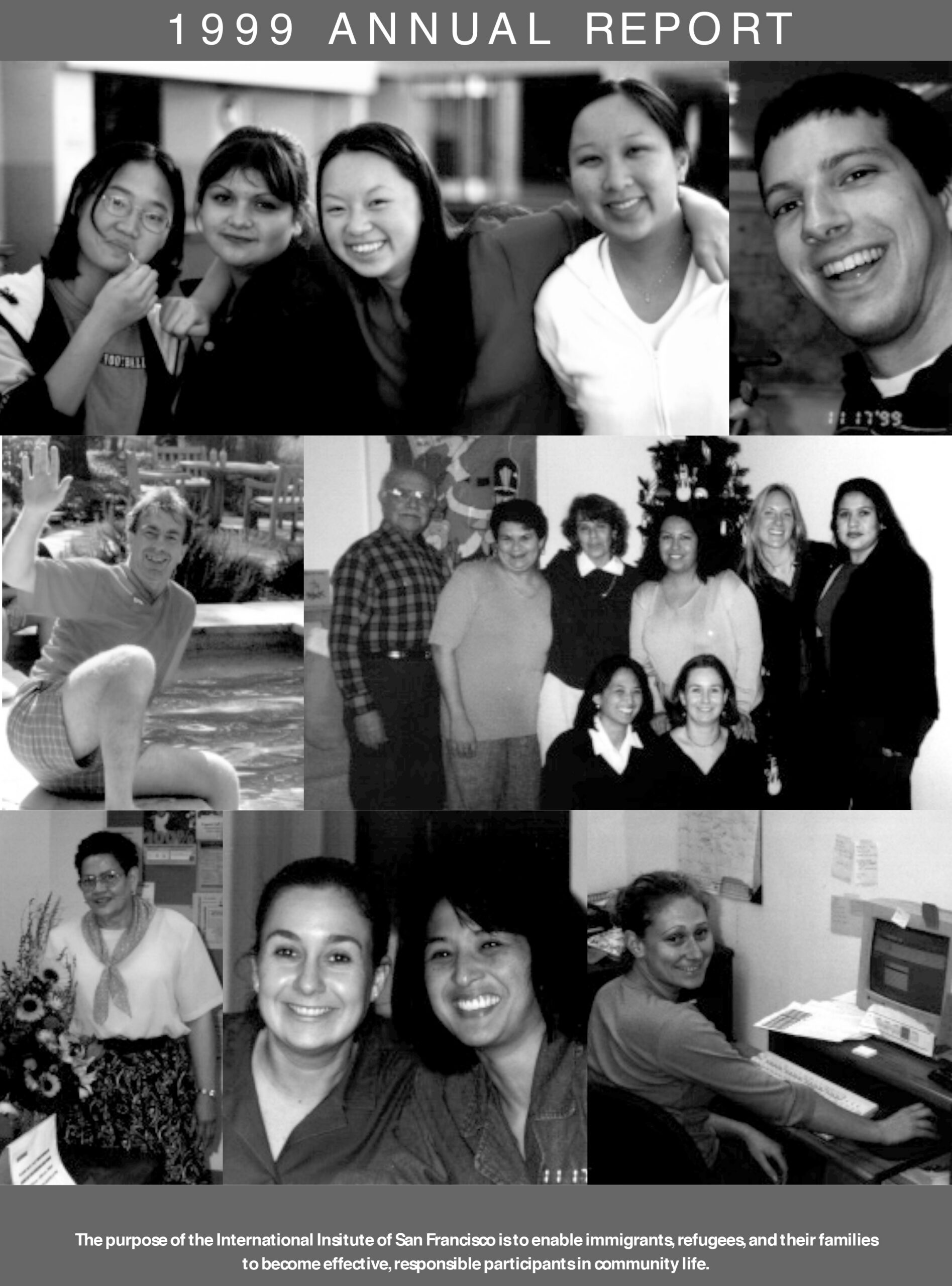
The Institute formed relationships with neighborhood organizations working toward similar goals, like the Tenants and Owners Development Corporation, which owns and manages a number of low-cost senior housing facilities in the neighborhood and Zeum, a new Technology and Arts Studio for youth in the Yerba Buena Center. The Institute also joined Neighborhoods in Transition, a multicultural partnership working with the Mayor’s Criminal Justice Council to promote neighborhood safety and to strengthen the City’s community policing commitment. In the final year of the the 1990s, the Institute staff grew to 40, operating on a one-million-dollar budget and serving 14,667 people.
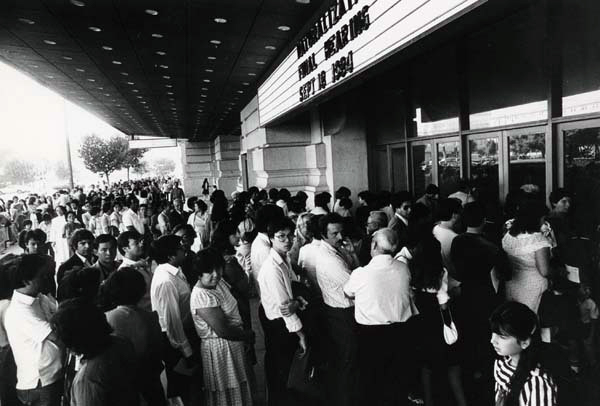
The Institute developed advocacy recommendations and a city-wide project that would assist 10,000 legal residents in completing the citizenship process. With funding from the San Francisco Foundation, granted to the Foundation by George Soros’s Open Society Institute, the Institute served as a full-service naturalization hub, working with three other hub agencies in the project, as well as 15 partner agencies located throughout San Francisco. With the help of the Peninsula Community Foundation, funded by private foundations and the Open Society Institute, the Institute’s San Mateo program provided comprehensive citizenship services in collaboration with other San Mateo agencies.
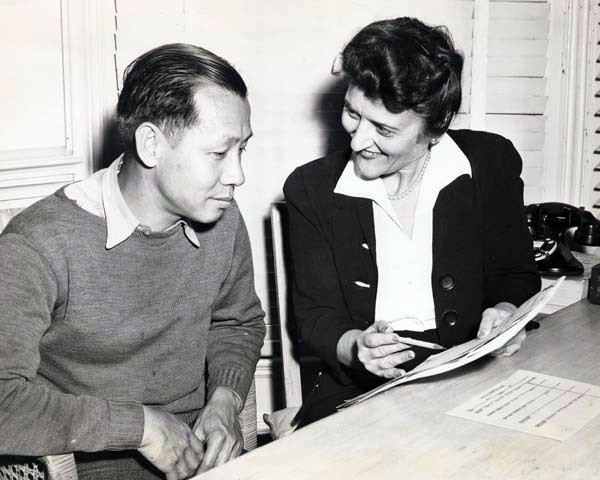
To reach out to older populations, people who lived in rural areas, and people who were having difficulty learning English, the Institute launched the Refugee Information and Referral Project. Funded by San Francisco’s Department of Social Services, the project employed bilingual workers, who had arrived as refugees themselves, to connect clients with resources in the areas of employment, health, housing, education, immigration, and welfare. Two years later in 1985, the California State Department of Social Services granted funds to the International Institute and eight other local agencies to develop a demonstration project that would provide long-term case management services to refugees who had been unable to become self-sufficient. During the three-year term of the project, every benchmark was reached. The project helped place hundreds of refugees in jobs and generated welfare savings that exceeded the project’s costs.
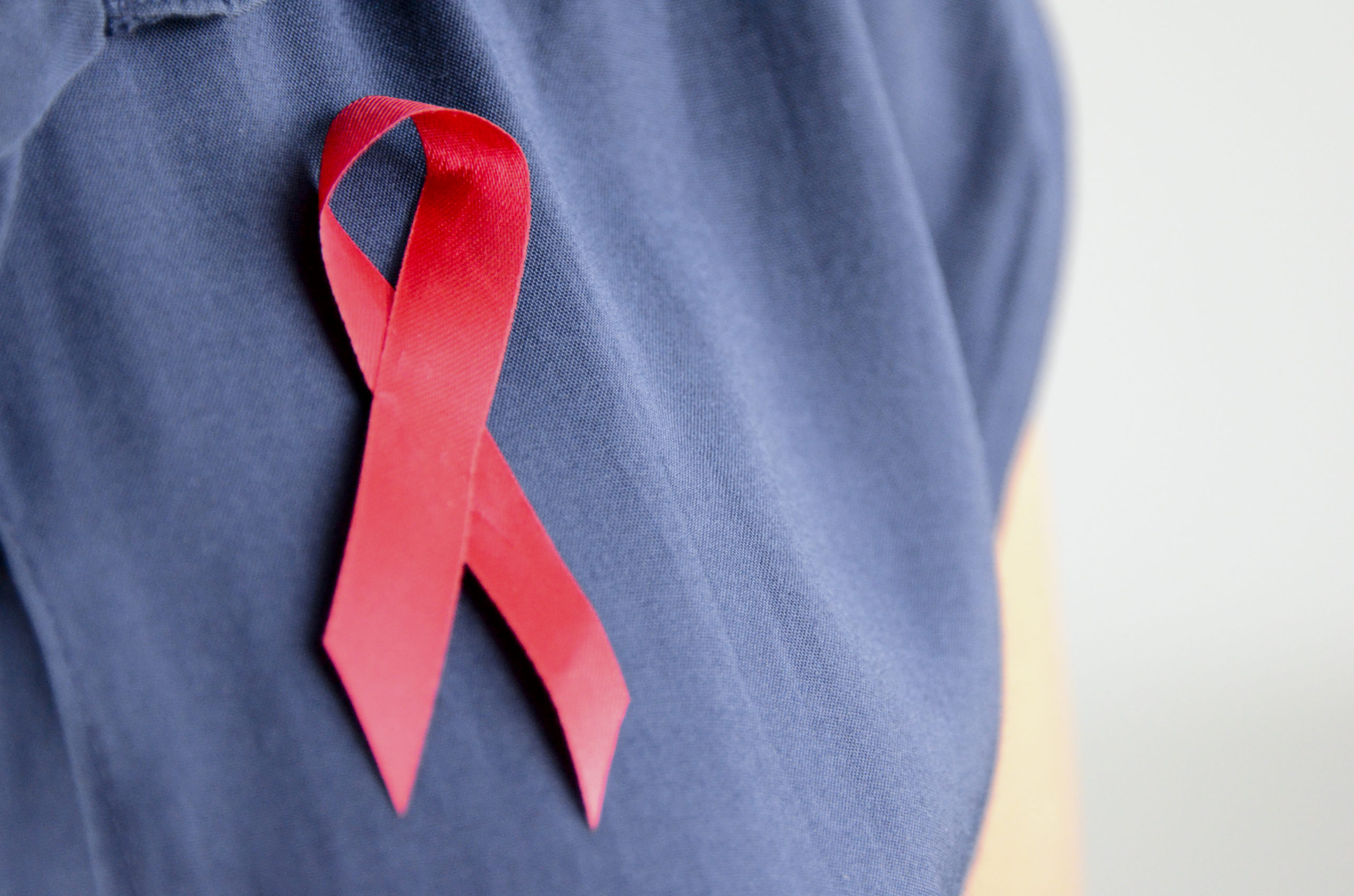
Meanwhile, the health care system in San Francisco was confronting the emergence of a mysterious and deadly disease, the AIDS virus (HIV). By December 1987, HIV testing became mandatory for all people wanting to immigrate to the United States, including amnesty applicants already here. Institute staff worked with local coalitions to assure that test results were managed in a sensitive, confidential fashion. The Institute procured a grant from Northern California Grantmakers to provide AIDS education and prevention training to staff people of local immigrant and refugee serving organizations.
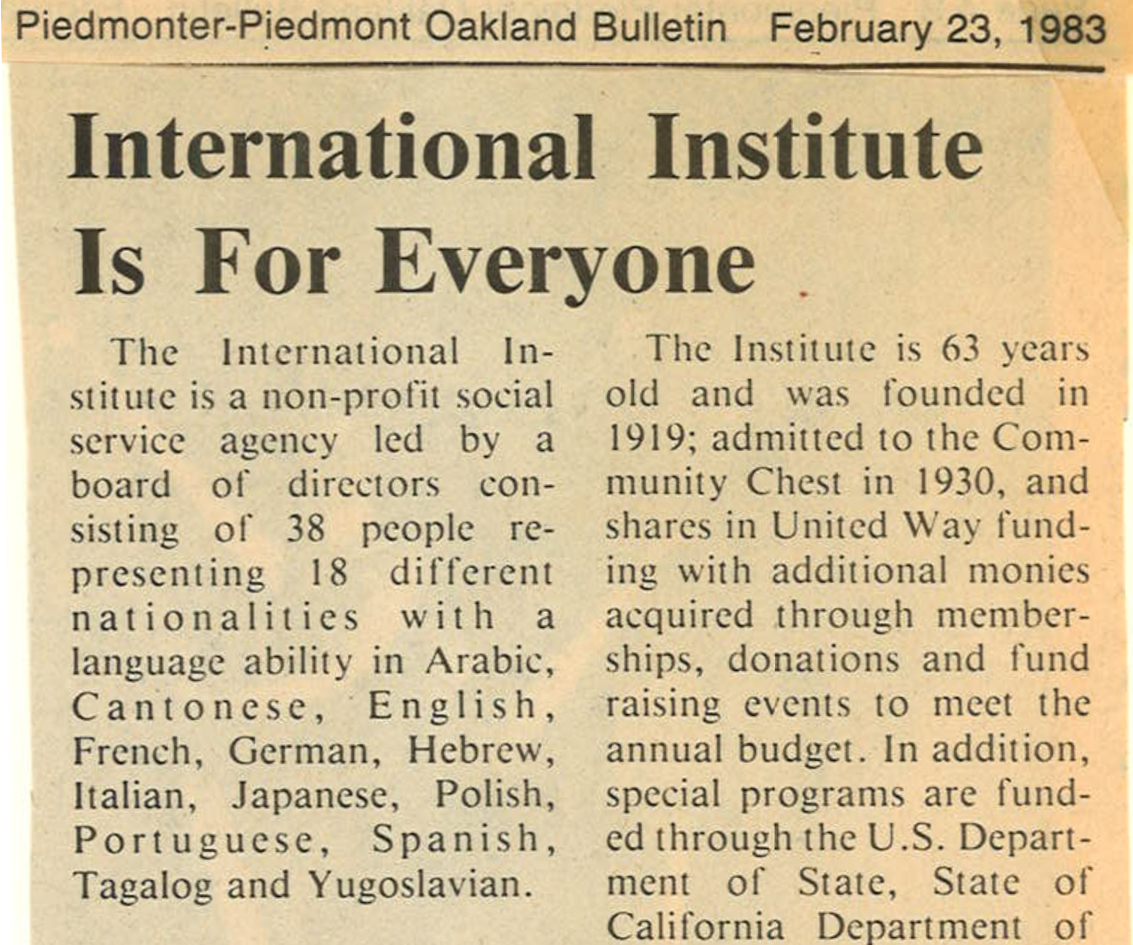
In the Spring of 1980, Fidel Castro opened Mariel Harbor in Cuba. Over the next few months, more than 125,000 Cubans boarded small boats, heading for Miami. The Institute helped over 300 Mariel Cubans adjust their status to permanent residence. The 1980s also brought a new wave of refugees from Poland, where massive civil disorder and the repression of the Solidarity movement caused Poles to flee the country. The Institute was awarded a grant from the American Council for Nationalities Service to provide employment and English language training services, supporting Eastern European refugees.
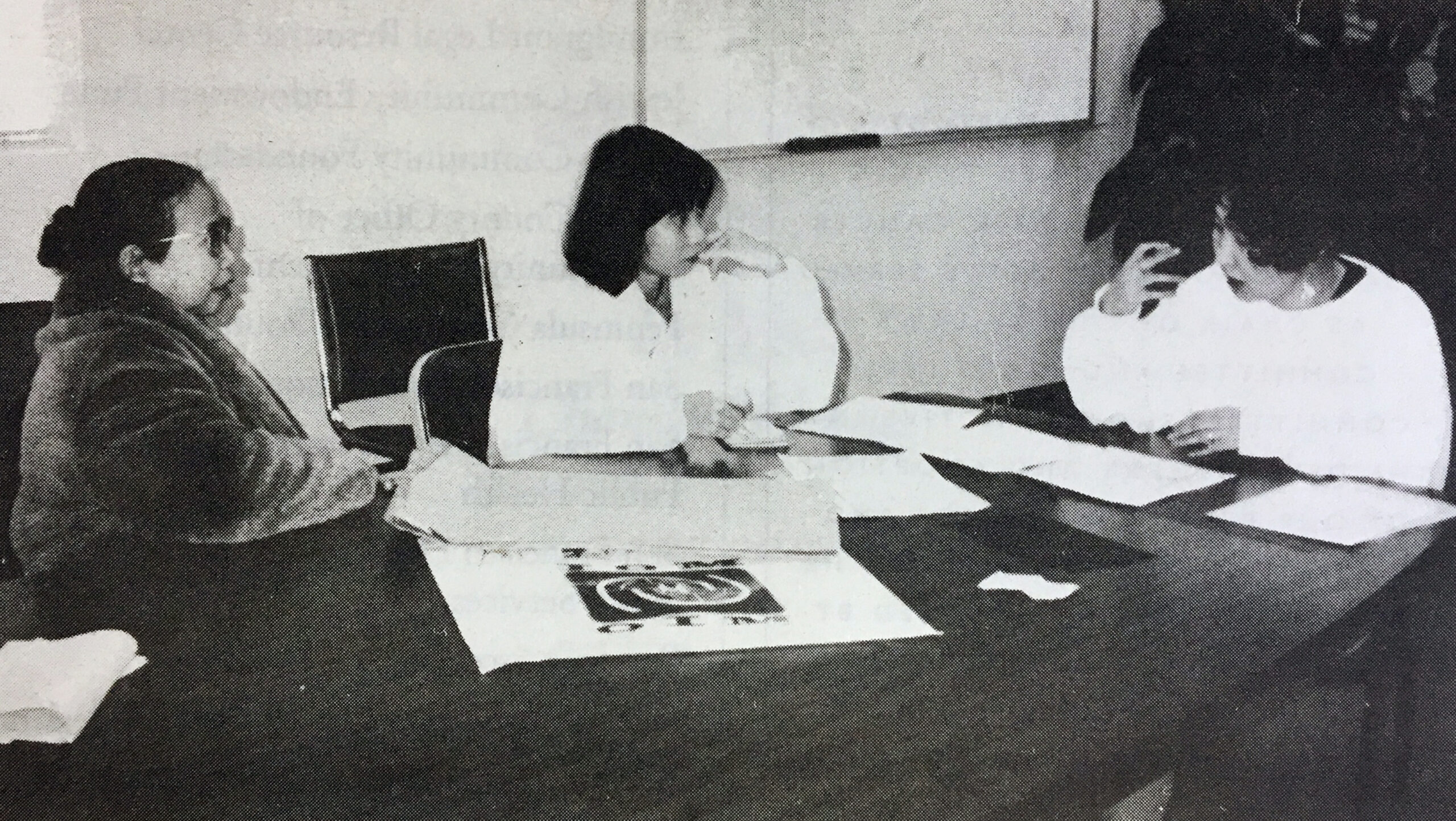
The close of the 1970s was marked by the passage of the Refugee Act, which formally integrated into our national policy the concept of government responsibility for providing resettlement opportunities for the world’s displaced peoples. In the following decades, the Institute would continue to provide essential legal and social services, easing the transition for those seeking refuge in our country.
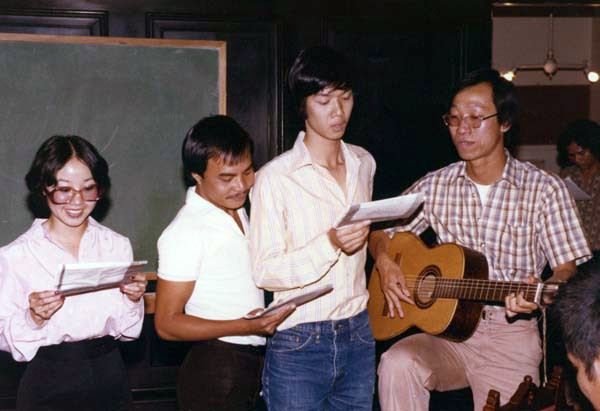
In April of 1975, the U.S.-backed government in Vietnam fell to the North Vietnamese, and Vietnamese people who had been closely associated with the U.S. war effort surged into Saigon. Hundreds of thousands were airlifted to American ships in the South China Sea and taken to Guam for safety. Those who had not managed to escape with U.S. assistance were leaving Vietnam by boat, risking the possibility of death at sea. For the first time in United States history, half a million people were given legal status as refugees, without local, family, or agency sponsors. A new era of refugee resettlement had begun, with over a thousand refugees arriving in San Francisco every month. In 1976, the International Institute convened an Advisory Committee to develop a service center for Vietnamese, Cambodian, and Lao refugees.
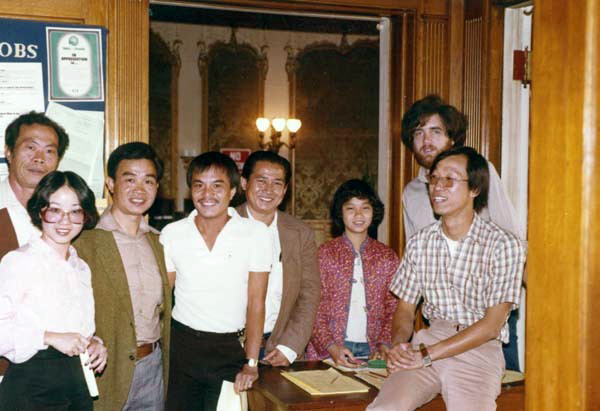
In 1971, the Institute opened a branch office in the Mission District, launched the Filipino Newcomer Service Center in 1972, funded by the San Francisco Foundation, and extended service to San Mateo County with the opening of the Fair Oaks Community Center in Redwood City in 1974. In response to the urging of foreign student advisors from a number of local colleges and universities, in 1972, the Institute sought funding to address foreign students’ unique needs. Within a year, the Institute was providing counseling, referral, and resource services. Furthermore, in 1977, through a grant the Institute secured from the National Institute of Mental Health, the Indochinese Family Services Project launched, offering culturally sensitive counseling, education, and orientation services. The Institute launched another project, the Center for Southeast Asian Refugee Resettlement, which became independently incorporated in 1979.
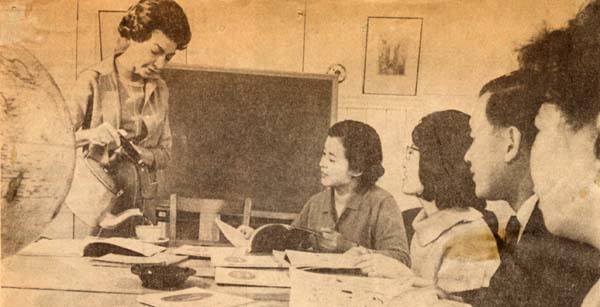
The Institute’s educational initiatives continued to grow with the development of the English-in-Action Program, which provided one-on-one tutorial sessions for clients wishing to improve their English. Additionally, the San Francisco Community College District arranged with the Institute to hold ESL classes in the International Institute building, and the Filipino Newcomer Service Center supported Filipino immigrants, who were largely professional people, in gaining the education and re-licensing they would need to establish in this country the occupational status they had earned in their country of origin.
1968 marked the fiftieth anniversary of the International Institute. In celebration, Mayor Joseph Alioto proclaimed April 22 – 29 “International Institute Week.” A festive ceremony was held at the International Institute’s mansion, ending our fifth decade in a spirit of affirmation and dedication to our mission.
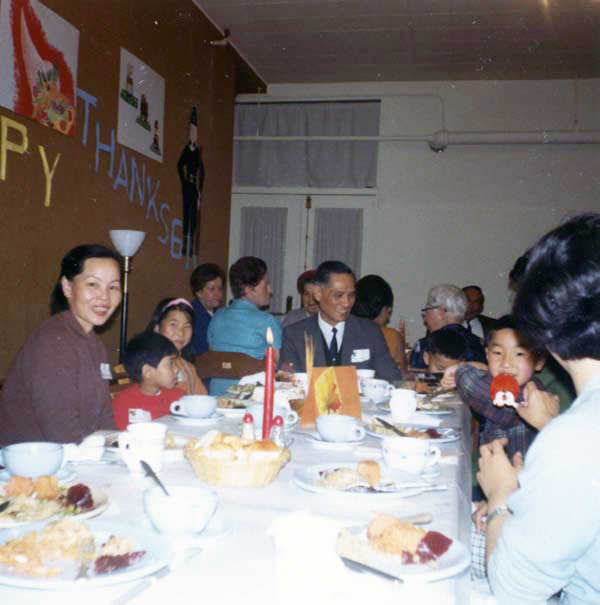
In 1965 the Institute supported the Hart-Celler Bill, which would end national origins quotas and support family reunion as the basis of immigration to the United States. The Institute organized a dinner at the San Francisco Hilton, where the U.S. Attorney General, Nicholas Katzenbach, made the keynote speech. He carried with him a message from the Secretary of State, urging support for the passage of the bill that would eliminate discrimination in immigration. The Hart-Celler Bill passed in 1965. As a direct result of the Hart-Celler Bill 5,000 newcomers arrived in the San Francisco Bay Area from China within a year. The following year, 8,500 Chinese came to San Francisco. To serve the Chinese community, Institute staff laid the groundwork for the Chinese Newcomer Service Center, which opened in 1969.
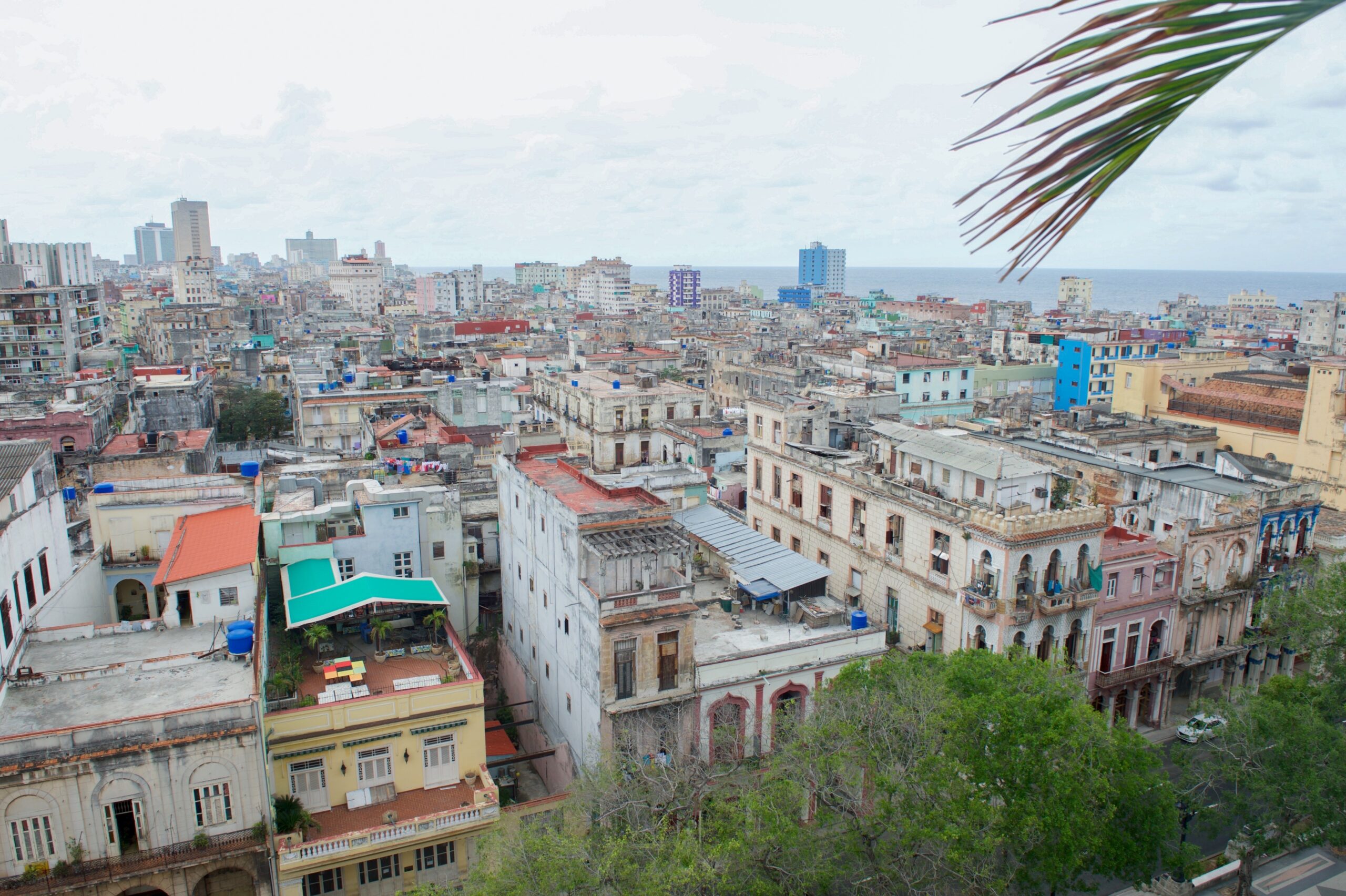
Meanwhile, the resettlement task of the early sixties focused on Cubans, as thousands of refugees from Castro’s Cuba flocked to the United States. In 1962, the Institute provided leadership for the formation of Circulo Cubano, a support organization for Cuban new arrivals. At this time, 43 percent of all clients who visited the Institute named “Immigration Problems” as their reason for contacting the Institute. Furthermore, because virtually no bilingual mental health professionals worked in the community, the Department of Public Health provided Institute staff caseworkers with a consultant from Community Mental Health Service. Monthly consultations became part of staff in-service training, and Institute staff helped fill this pressing need. While this important work proceeded, the Institute launched its first “Gaslight Gala,” a fundraising event featuring a global menu that drew big crowds. The Gala continued annually until 1978.
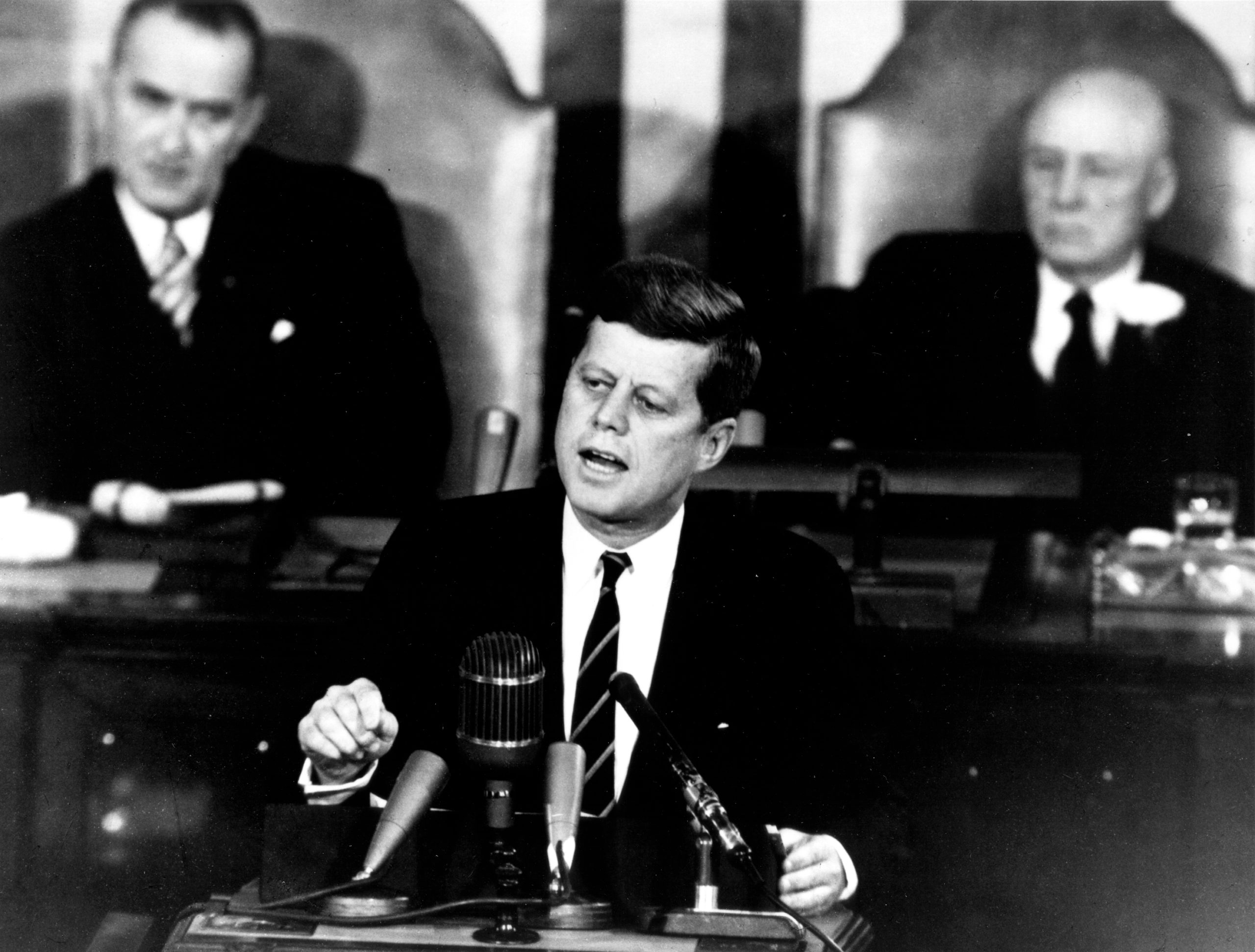
With the election of John F. Kennedy for President, pro-immigrant organizations like the Institute started the decade with high hopes. The grandson of Irish immigrants, President Kennedy had promised to reform immigration law, but his assassination in 1963 threw the country into a period of deep mourning. President Lyndon Johnson maintained a firm commitment to ending discrimination not only on the basis of race but also on the basis of national origin.
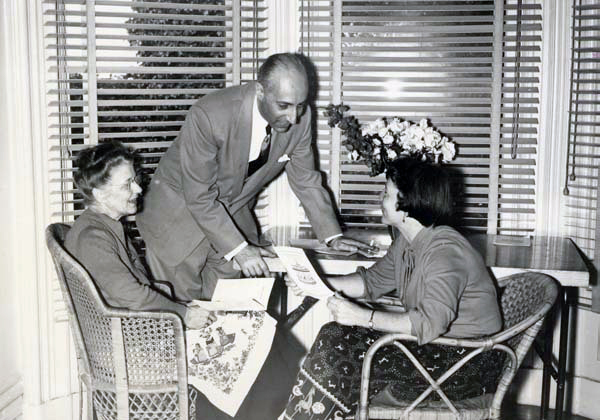
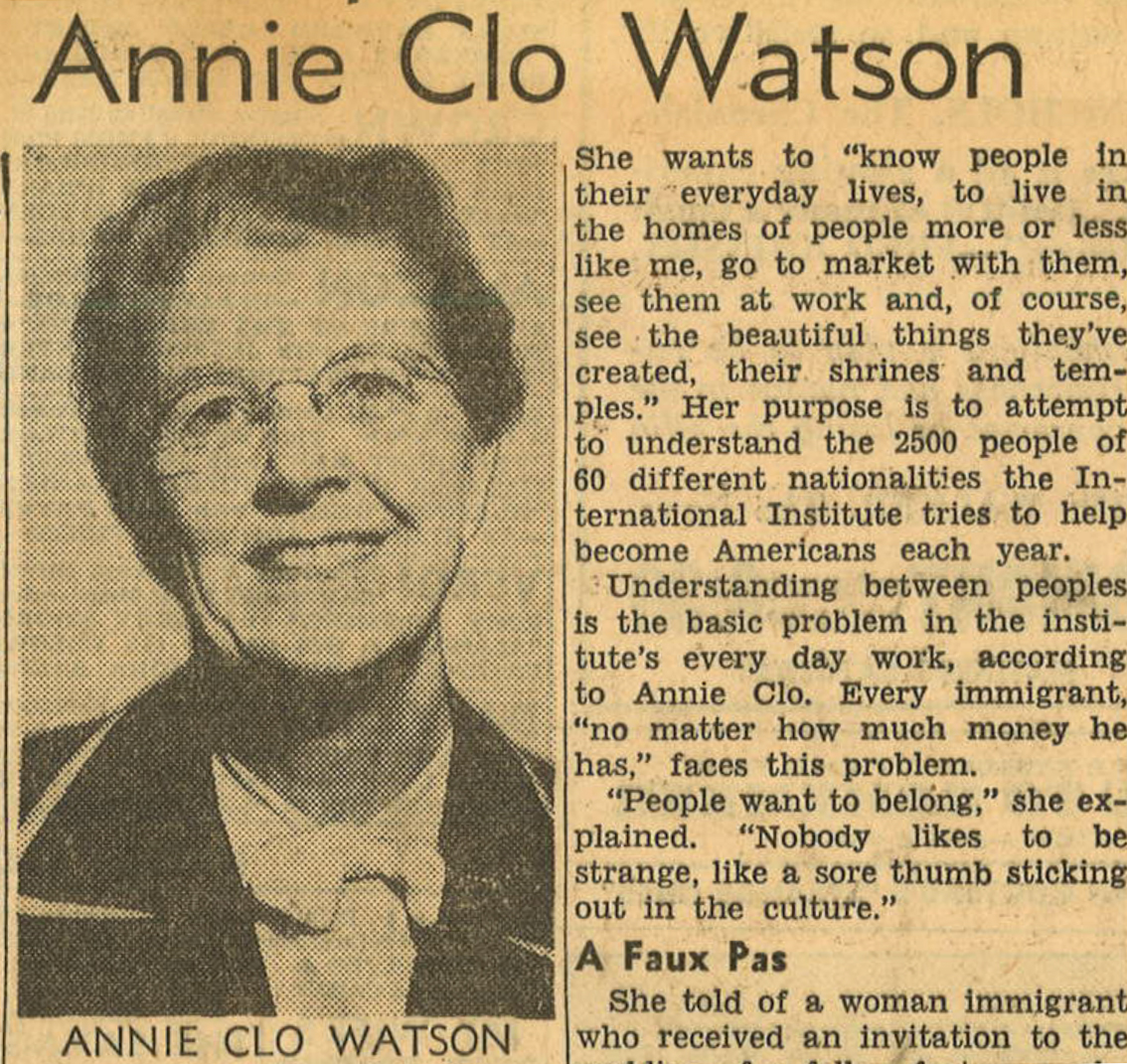
Annie Clo Watson retired in 1956, after providing dedicated leadership to the IISF for 25 years. In honor of her years of service, a scholarship fund was started, to provide training in social work for people dedicating their careers to serving the foreign-born. Her legacy continues, in the advocacy efforts of Institute staff, to this day.
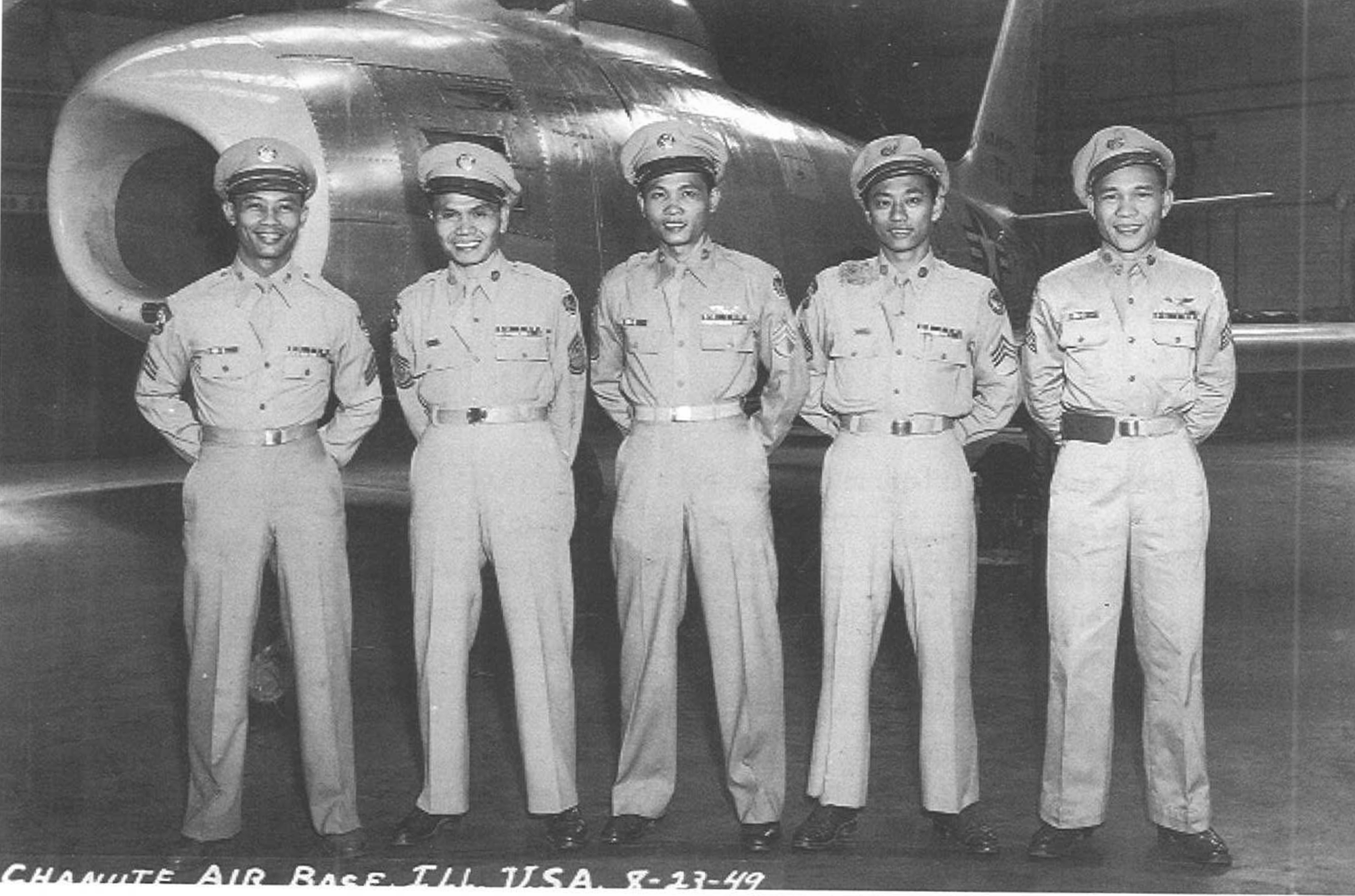
In 1956, the Refugee Relief Act, passed in 1953 to follow the Displaced Persons Act, expired, ending eight years of effort to resettle the victims of the Second World War. However, the Institute continued to serve newcomers affected by the war, most notably the Philippine Scouts. Members of the U.S. Army regiment that fought the Battle of Bataan, the Philippine Scouts were by all accounts the strong arm of the American defense. After the battle ended, 70,000 men, including 54,000 Philippine Scouts, became prisoners of war (POWs). After the war ended, over 300 Philippine Scouts eventually relocated to San Francisco. At the Institute’s request, the San Francisco Foundation provided a grant of $1600 to expand services to the group.
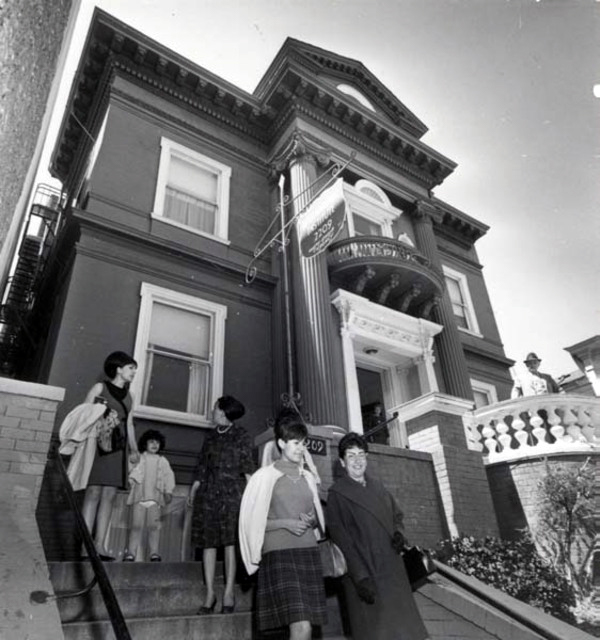
Early in the Institute’s fourth decade, the local Community Chest began a fundraising campaign to purchase buildings for non-profit organizations working with youth. The Institute, through its work with Spanish-speaking young people, qualified as a beneficiary of this fund, and worked hard to assure its success. By 1953, money was available to purchase the building at 2209 Van Ness for $53,000. The Institute moved into its new quarters in 1954.
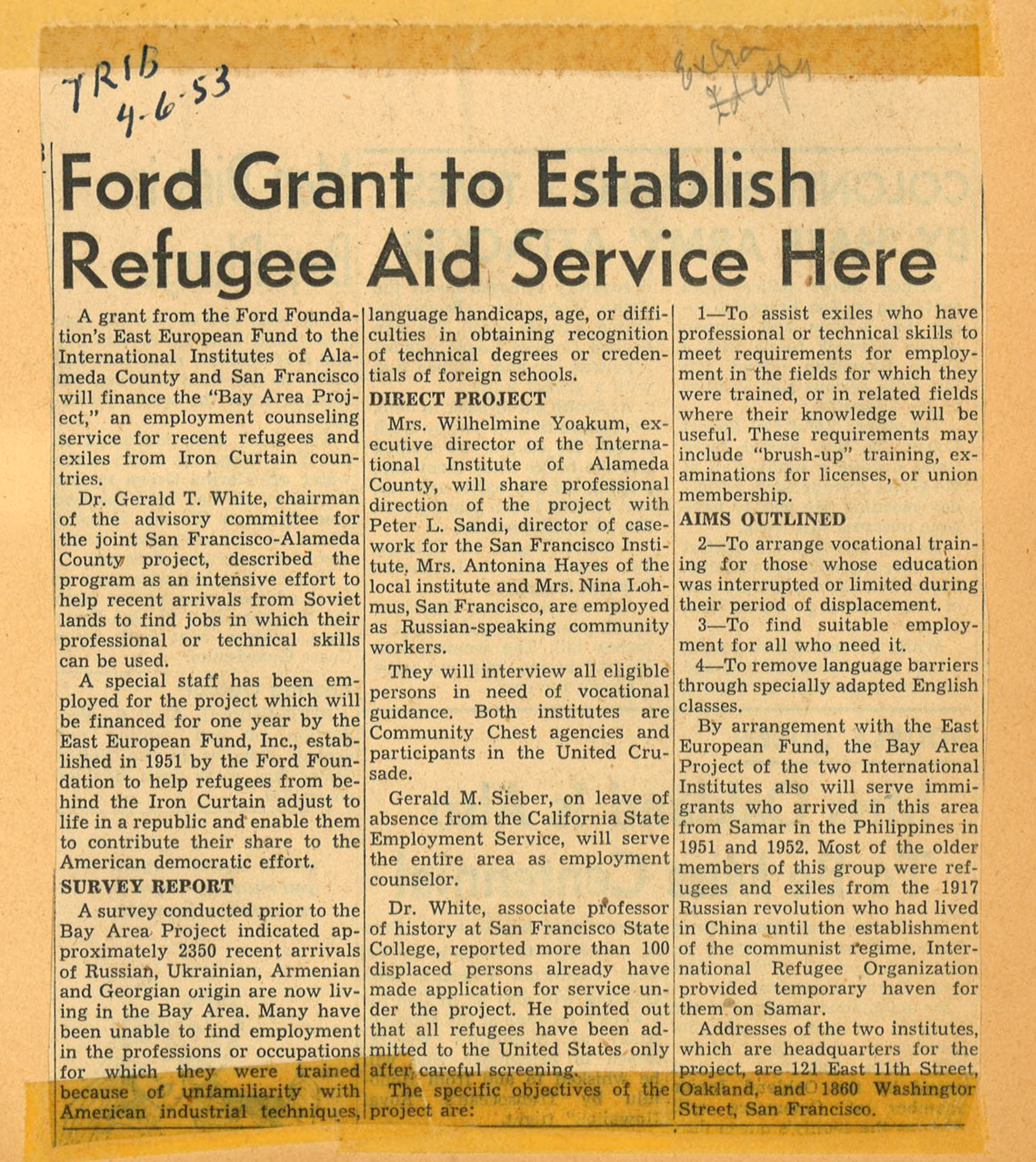
In 1948, the Displaced Persons Act was passed, which opened the door to the U.S. for hundreds of thousands of people who had lost their homes or their homelands in the war. Thousands of people came to the San Francisco Bay Area as displaced persons, and the International Institute helped them resettle. For many months, the Institute was open until 10:00 or 11:00 at night, as victims of war and their families took the first steps toward building new lives. At the end of our third decade, International Institute’s work was defined by the damage and upheaval of the Second World War, which brought hardship to over 175,000 Mexican men working in the U.S. who had been granted special immigration status based on wartime labor needs. In the past, immigrants who worked for U.S. war efforts had been allowed to stay after the U.S. military demobilized. But a fear of job scarcity for returning soldiers branded Mexican workers a threat. The International Institute worked to promote understanding and directed efforts toward projects benefitting Spanish-speaking youth.
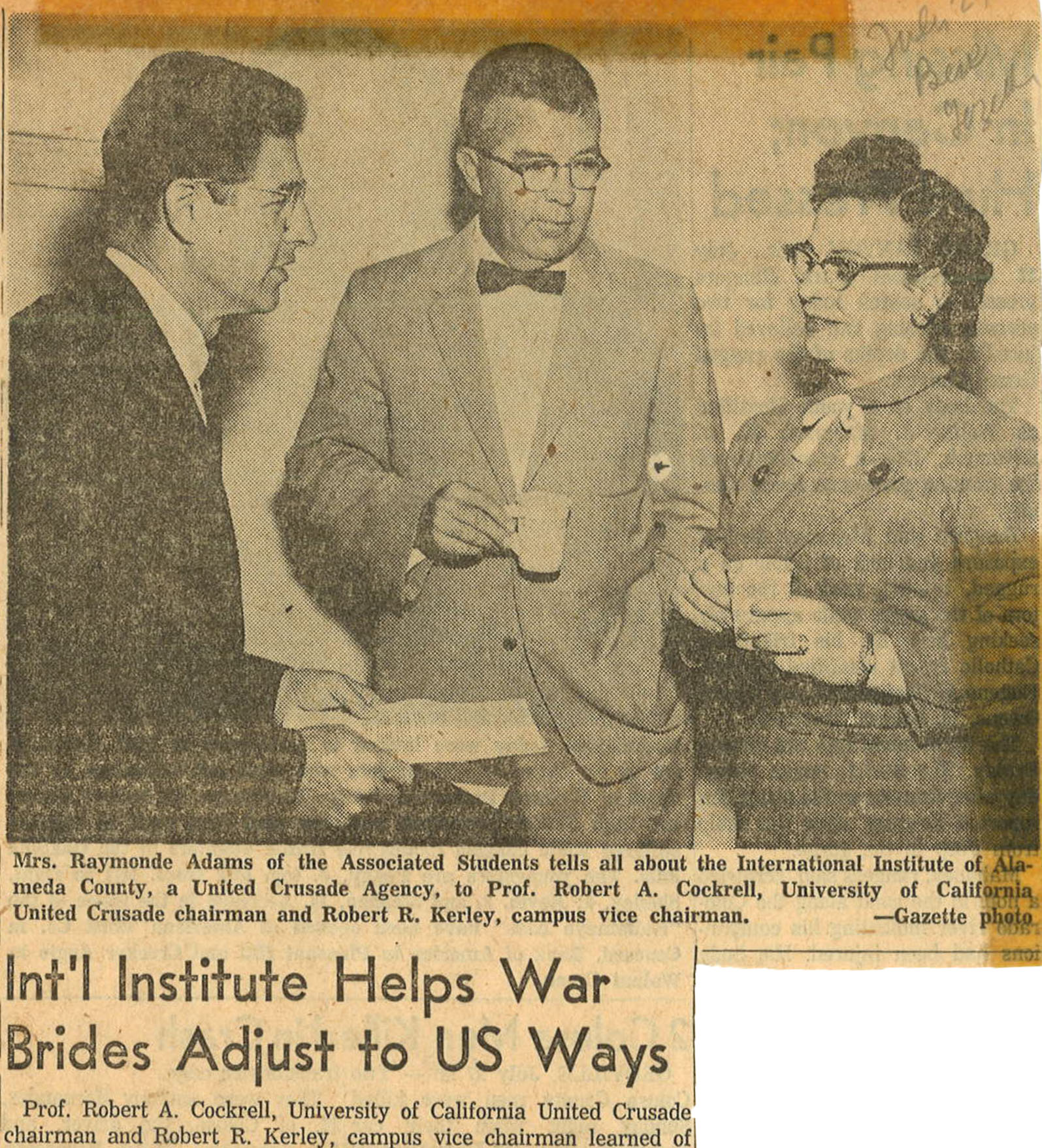
By 1944, Chinese participation in the Allied war effort changed American attitudes. Policy, as a result, moved in their favor, enabling Chinese who had been living in the United States for years to naturalize. In response, International Institute staff assisted Chinese wives of Americans citizens and Chinese mothers of American citizens to become citizens themselves. Insisting on equitable interpretation of these new derivative citizenship laws, International Institute advocated for family reunion for all people, regardless of their national origin. Furthermore, in 1946, the International Institute began to offer assistance, activities, and a social network for the large number of Japanese war brides who were settling in the area with their American husbands. Many of these women experienced isolation and confusion as they attempted to understand their new roles in a foreign cultural context. The Institute offered a haven for these newcomers, and the group stayed together for over ten years, raising their families and learning about their new land, side-by-side.
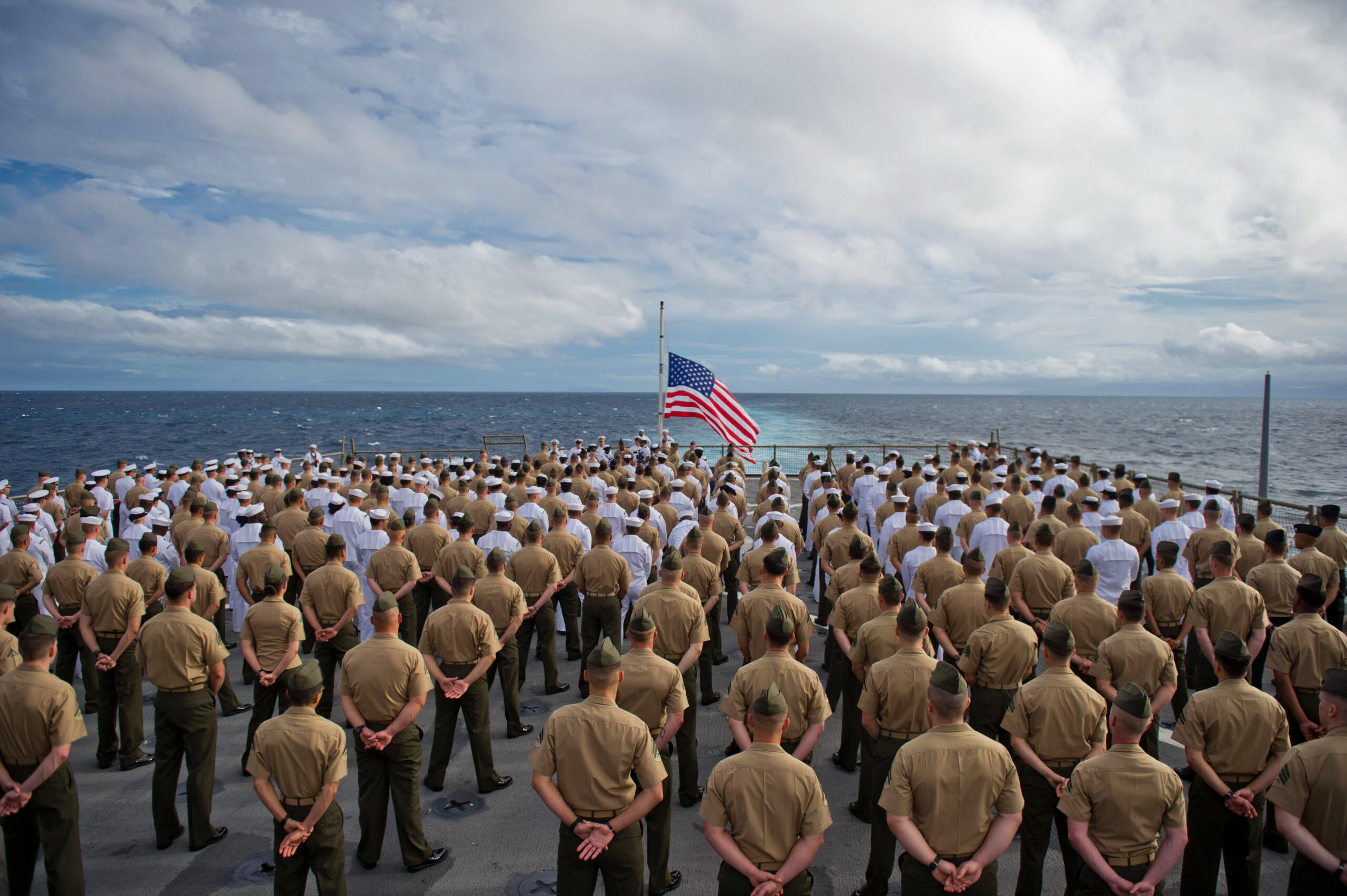
In 1941, the bombing of Pearl Harbor plunged the United States into the Second World War. San Franciscans of Japanese, Italian, and German origin became objects of suspicion and derision, and new policies dramatically restricted their freedoms. Business licenses were revoked, insurance canceled, installment purchases repossessed, and access to areas deemed “strategic,” such as the waterfront, was denied. Unconscionably, in the first few months of 1942, all Americans of Japanese origin living on the West Coast were rounded up and sent to relocation camps. In an unbearably cruel twist of fate, restrictions were placed on German Jews, many of whom had come to the United States to escape Nazism. The International Institute protested these actions. In January 1942, Annie Clo Watson, the International Institute’s Director, was appointed to head the State’s National Defense Subcommittee on Minority Groups. Relentlessly she fought for the rights of Americans of foreign origins, citing case after case of discrimination, to no avail.
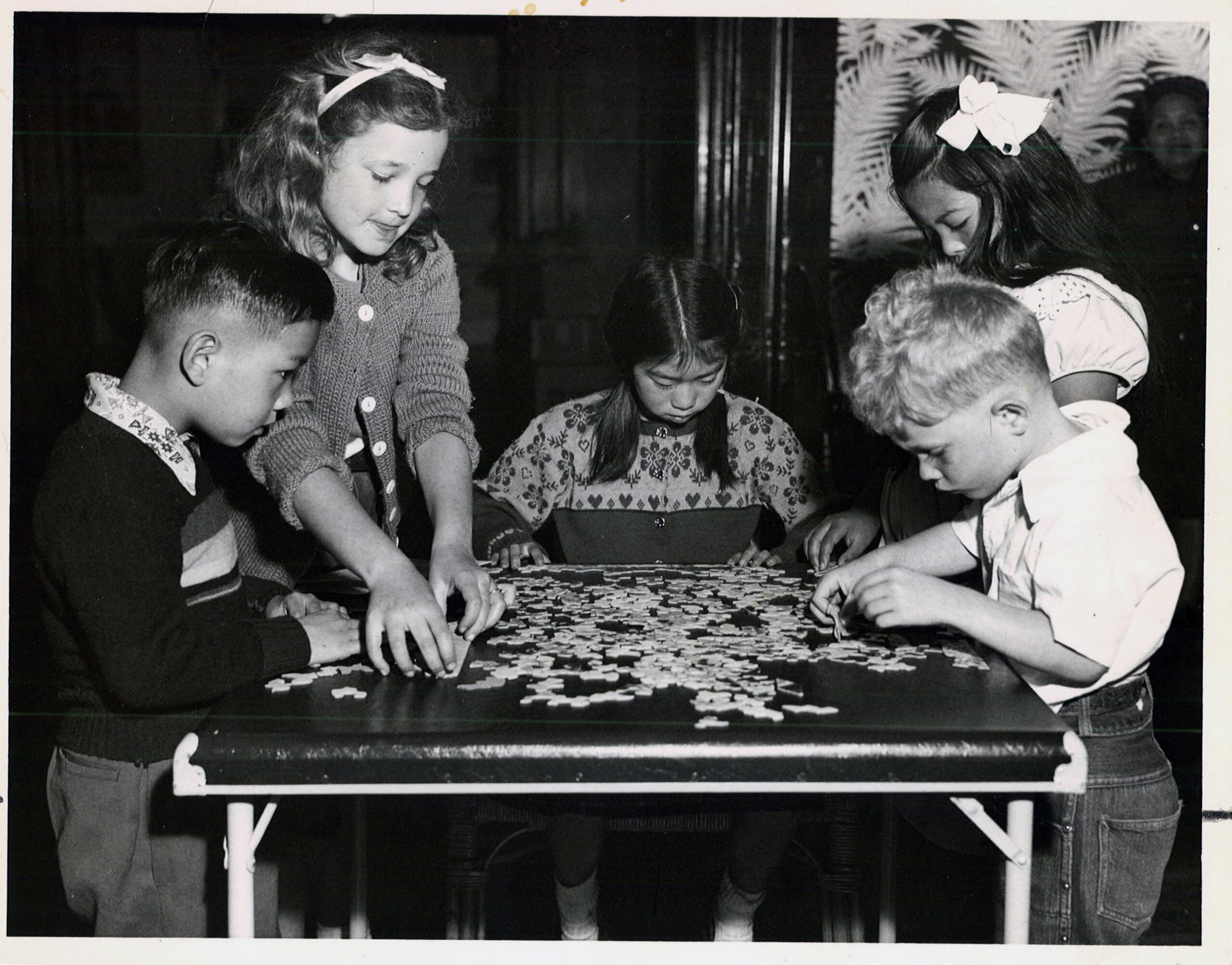
In San Francisco, in 1936, immigrants and their children made up 61% of the population, and the city’s signature diversity was reflected in the Institute’s client population at the time: 12% were Chinese, 11% Filipino, 14% Greek, 17% Russian, and 16% Mexican. IIBA helped newcomers access jobs and education, as well as childcare programs, offering a place to meet, to exchange ideas, to form friendships, and to provide meaningful service to others. As the post-war boom turned to an economic bust, the Institute encouraged social events and cross-cultural exchanges to brighten up the difficult times. The Institute also began raising awareness about immigrant employment issues, highlighting the benefits of including educated young immigrants in the labor force.
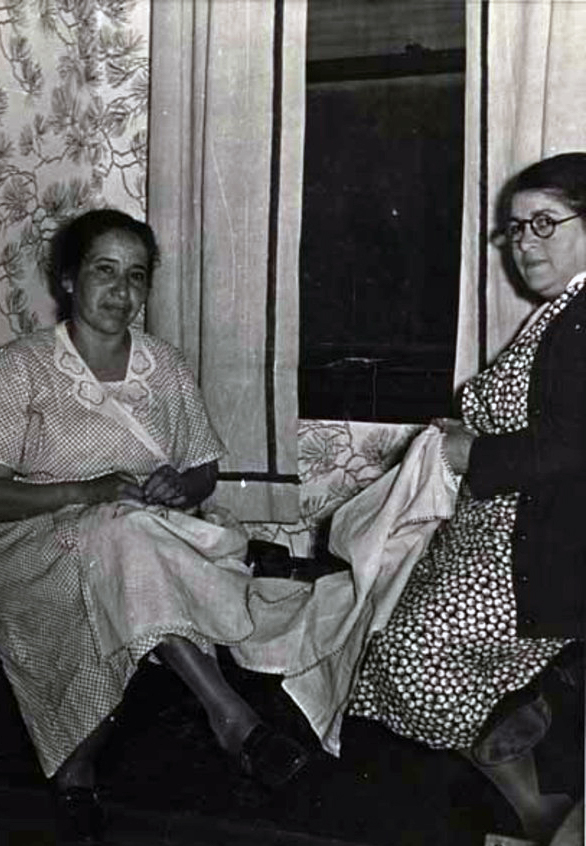
The Immigration Service supplied Institute staffers with the names and addresses of new immigrants. When they arrived in town, staffers visited each new family. When the depression threatened funding for this program, the Junior League stepped in to provide transportation so the Institute could continue to welcome newcomers and share information about available services and activities. As the long-term impact of the depression settled over San Francisco, Institute clients reached out to those less fortunate than themselves, forming Club Las Señoras, a cross-cultural social group that met weekly and assembled layettes for needy families.
Within four years, the Institute outgrew its offices, and moved to larger quarters at 1860 Washington Street. English classes, group work, employment services, and social support activities filled the new building. While other immigrant service organizations encouraged “Americanization,” the Institute recognized the great importance of family unity and cultural traditions. The International Institute also became part of the University of California Social Work School’s Fieldwork Training Program, beginning a century-long tradition of educating immigrant services professionals.
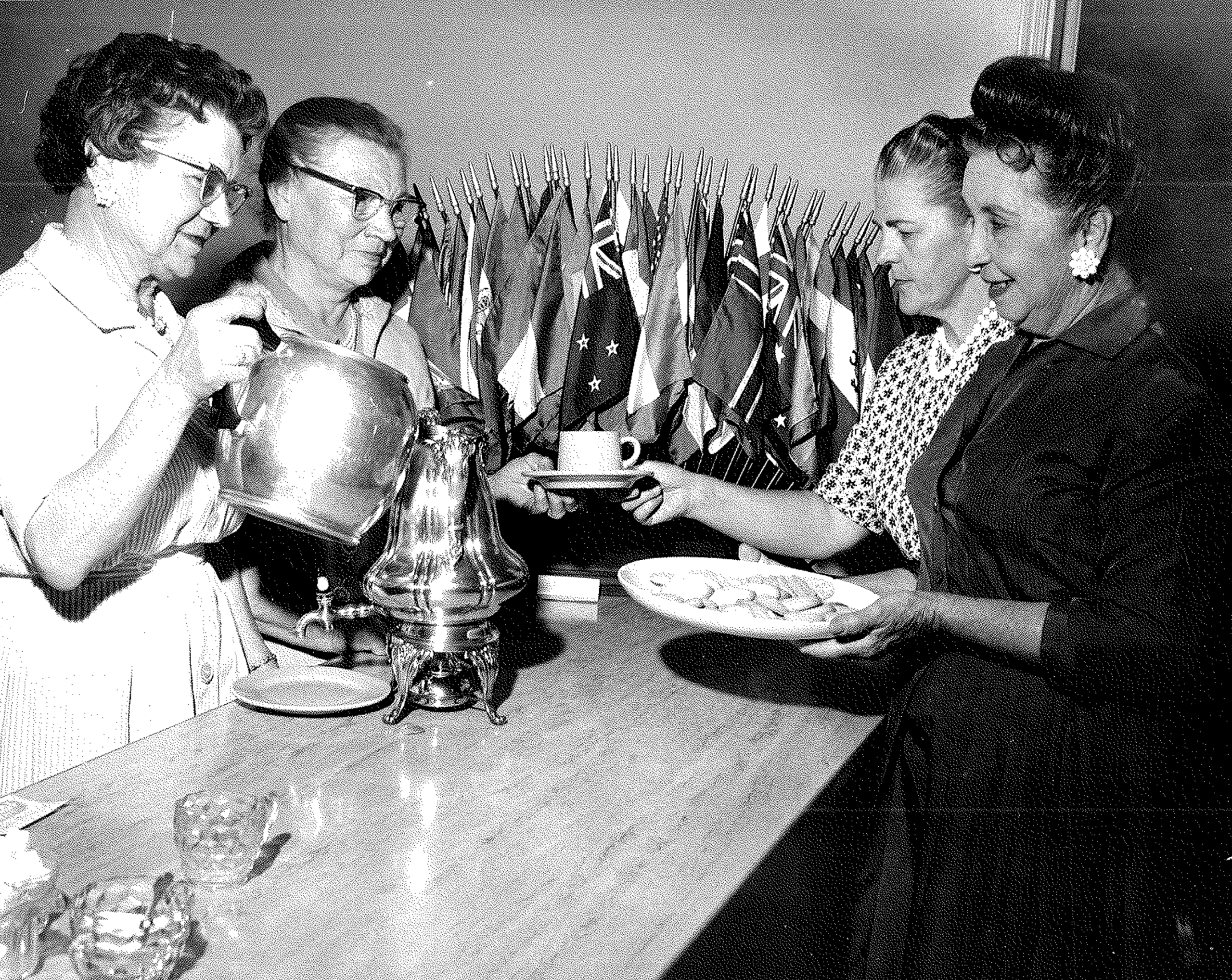
Within four years, the Institute outgrew its offices, and moved to larger quarters at 1860 Washington Street. English classes, group work, employment services, and social support activities filled the new building. While other immigrant service organizations encouraged “Americanization,” the Institute recognized the great importance of family unity and cultural traditions. The International Institute also became part of the University of California Social Work School’s Fieldwork Training Program, beginning a century-long tradition of educating immigrant services professionals.

As a project of the YWCA, International Institutes across the country coordinated and planned for the welfare and training of immigrant women and girls who were taking on employment responsibilities while adjusting to life without the support of their men who had gone off to fight in the war. In October of 1918, one month before the Armistice that ended World War I, the first staff meeting of The International Institute of San Francisco convened at 1812 Washington Street, an office space the Institute rented for $50 a month. At the time, 72% of San Francisco’s population was made up of immigrants and their children. Members of the Russian, Greek, Chinese, Spanish, Armenian, Swedish, French, Scottish, Japanese, Czech, and Yugoslavian communities attended the Institute’s inaugural reception, celebrating the new agency. In its first year of operation, the Institute served 12,000 people.
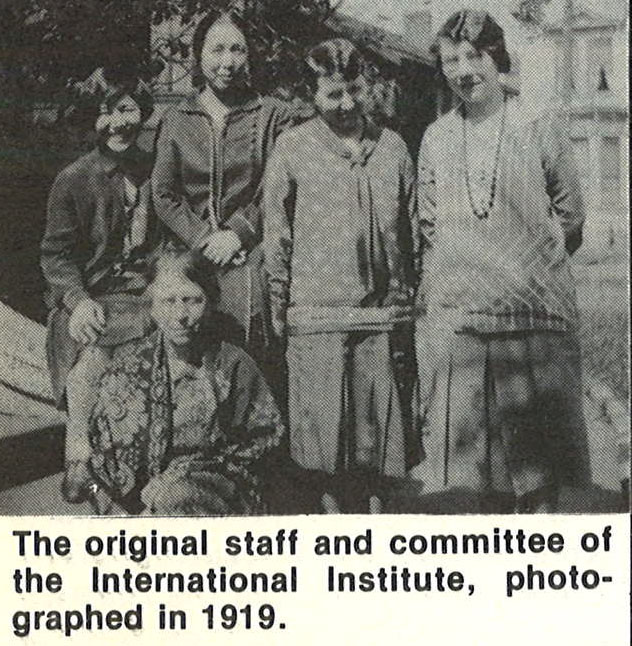
In August of 1918, the Institute opened its doors for the first time. The original seeds of the International Institute germinated in the Field Offices of the YWCA, as Edith Terry Bremer, head of the YWCA’s Department of Immigration and Foreign Communities, recognized a need for specialized services and activities for recently arrived, non-English speaking immigrant women and girls who found themselves alone in a new country without the skills and resources they needed to survive. Nineteen International Institutes existed by 1918, primarily in the industrialized Northeast. The San Francisco Bay Area’s dire need for an International Institute grew out of our country’s participation in World War II.